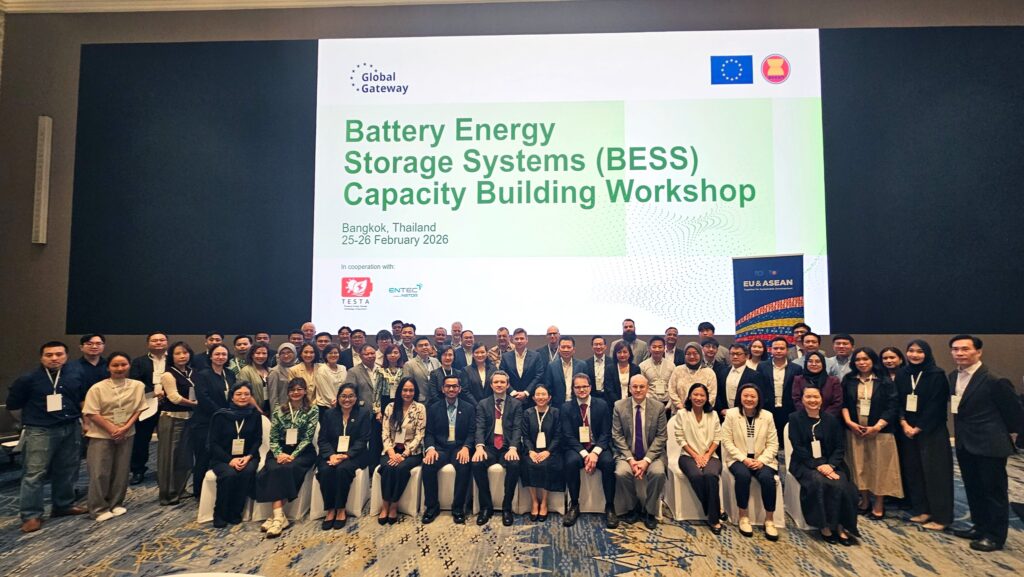
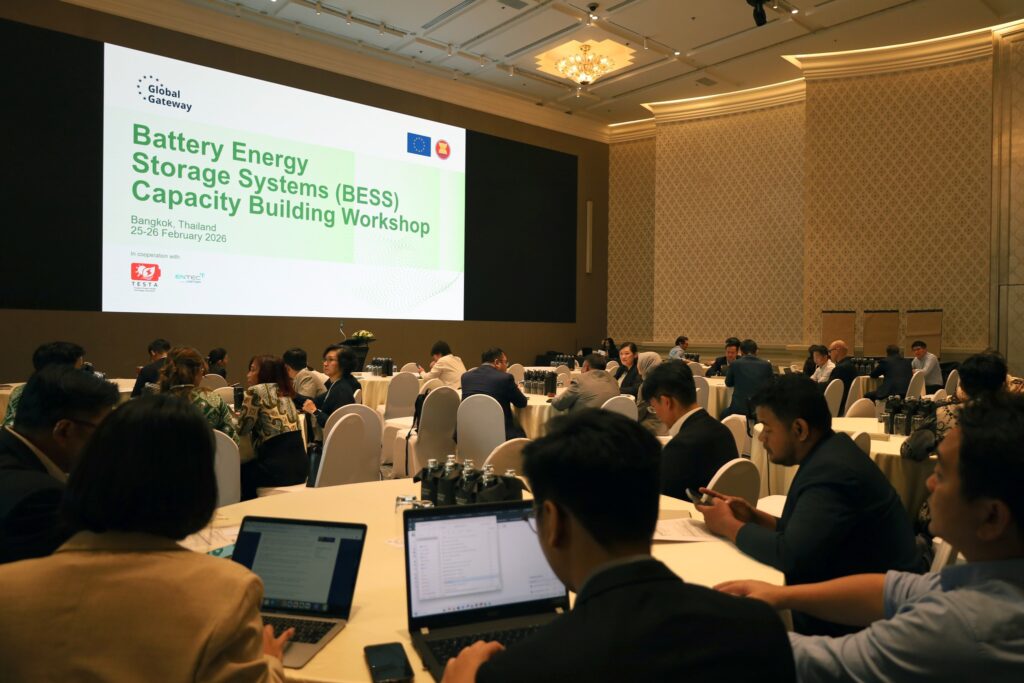
Bangkok, February 25, 2026 — The National Energy Technology Center (ENTEC), under the National Science and Technology Development Agency (NSTDA), in collaboration with the Thailand Energy Storage Technology Association (TESTA) and the ASEAN Secretariat, organized the “Capacity Building Workshop on Battery Energy Storage Systems (BESS) for Clean Energy Project Developers in ASEAN”. The event is supported by the European Union through the Technical Assistance Facility to the Green Team Europe Initiative (TAF-GTEI).
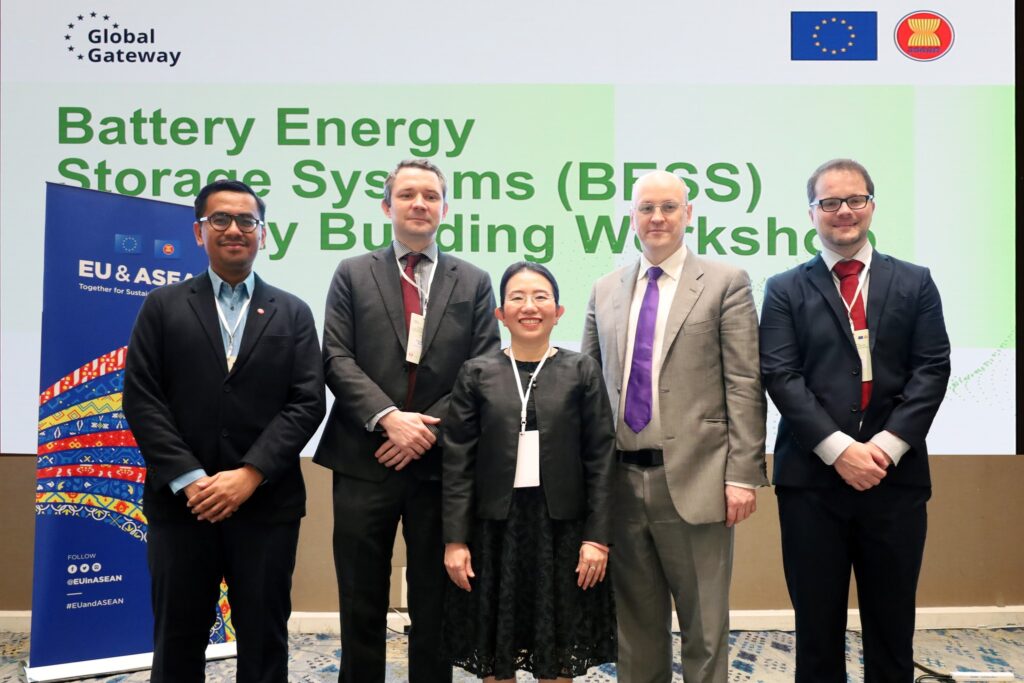
The workshop aims to enhance the technical, financial, and project development capacities of clean energy project developers across ASEAN, supporting efforts to improve regional power grid interconnection and sustainably increase the share of renewable energy.
This initiative aligns with the ASEAN Plan of Action for Energy Cooperation (APAEC) 2026–2030, which focuses on accelerating renewable energy deployment and developing the ASEAN Power Grid (APG). BESS technology plays a critical role in strengthening grid flexibility, enabling the integration of variable renewable energy sources, and facilitating cross-border electricity trading.
More than 40 participants from ASEAN member countries took part in the workshop, including clean energy project developers, private-sector representatives, energy experts, and government officials responsible for energy planning and regulation. Training topics covered a range of areas—from battery technologies, system design, and integration to applications at various scales (utility-scale, behind-the-meter, and microgrid)—as well as techno-economic evaluations, financial analysis (CAPEX/OPEX), and performance metrics such as NPV, IRR, and payback period.
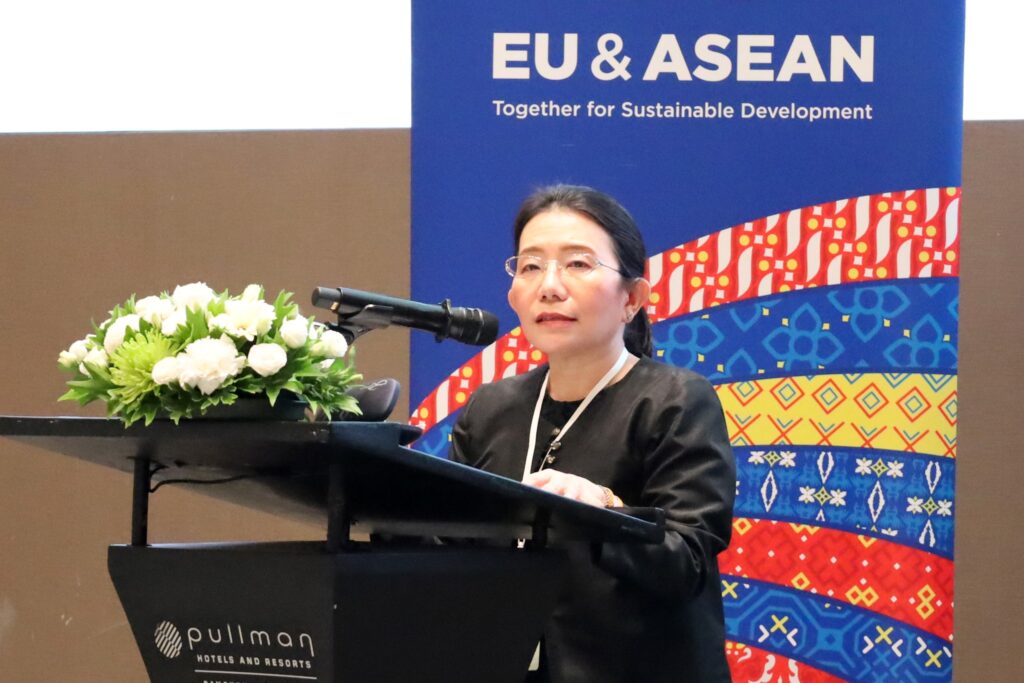
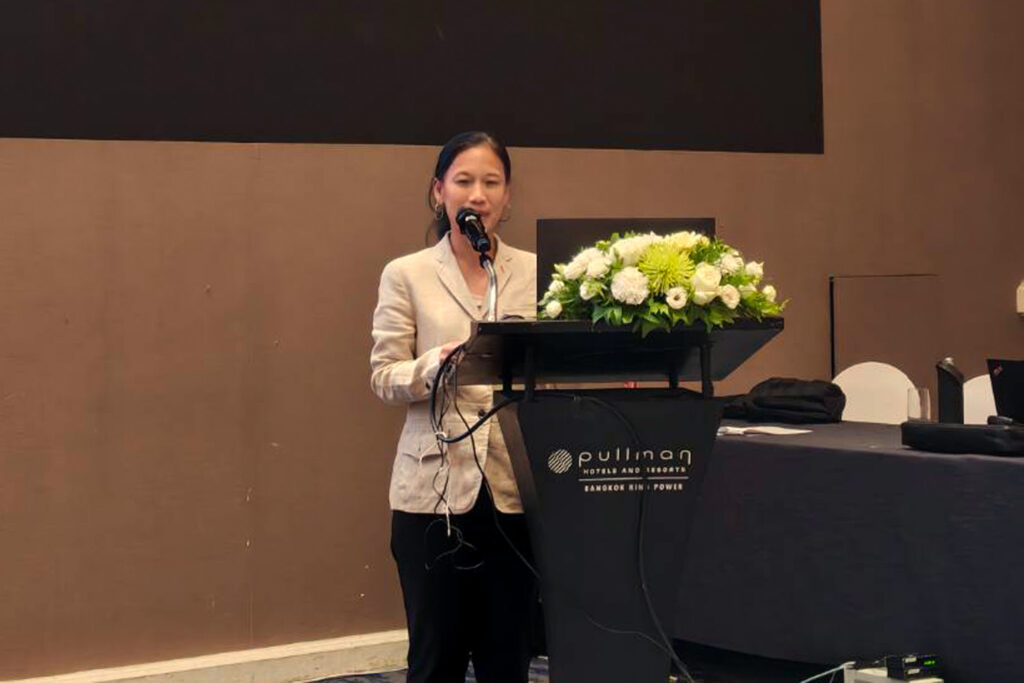
Dr. Sumittra Charojrochkul, Executive Director of ENTEC, NSTDA, highlighted in her opening remarks that battery energy storage systems (BESS) are becoming increasingly vital to ensuring grid stability and supporting the rising share of renewable energy across ASEAN. She noted that the workshop takes place at a strategic time, as member states are moving forward with the APAEC 2026–2030 agenda that calls for more flexible and resilient electricity systems.
“BESS represents a strategic tool to enhance energy security, expand clean energy adoption, and drive tangible energy transition,” Dr. Sumittra said. “As the national focal point for energy technology, ENTEC, NSTDA is committed to translating advanced clean energy technologies into real-world applications through research, innovation, and industry collaboration. We work closely with national and international partners to integrate technical expertise with policy and market development.”
The Thailand Energy Storage Technology Association (TESTA), led by Dr. Pimpa Limthongkul, President of TESTA and Director of the Energy Innovation Research Group at ENTEC, NSTDA, plays a key role in connecting Thailand’s industrial and private sectors in energy storage development. TESTA contributes practical insights from implementing BESS projects at the utility, industrial (behind-the-meter), and microgrid levels—fostering collaboration among entrepreneurs, investors, and policymakers throughout the region.
Dr. Sumittra added that the EU–ASEAN collaboration serves not only as a platform for knowledge exchange in advanced energy technologies but also as a mechanism to strengthen institutional and human capacity in the region.
“By integrating expertise in technology, standards, safety, financial mechanisms, and policy frameworks from both regions, we can accelerate tangible progress toward a flexible, interconnected, and sustainable energy system—supporting the region’s renewable energy growth in the long term,” she concluded.
