2026.08.03 ENTEC Hosts Thailand–Japan Symposium to Advance Hydrogen Cooperation for Energy Transition

“Hydrogen is a clean energy carrier that will play an important role in advancing the energy transition and reducing greenhouse gas emissions. Developing technologies and fostering collaboration among the research, public, and industrial sectors are therefore key to turning hydrogen deployment into a reality.”

On August 3, 2026, at the Mercure Sukhumvit 24 Hotel, Bangkok, Thailand

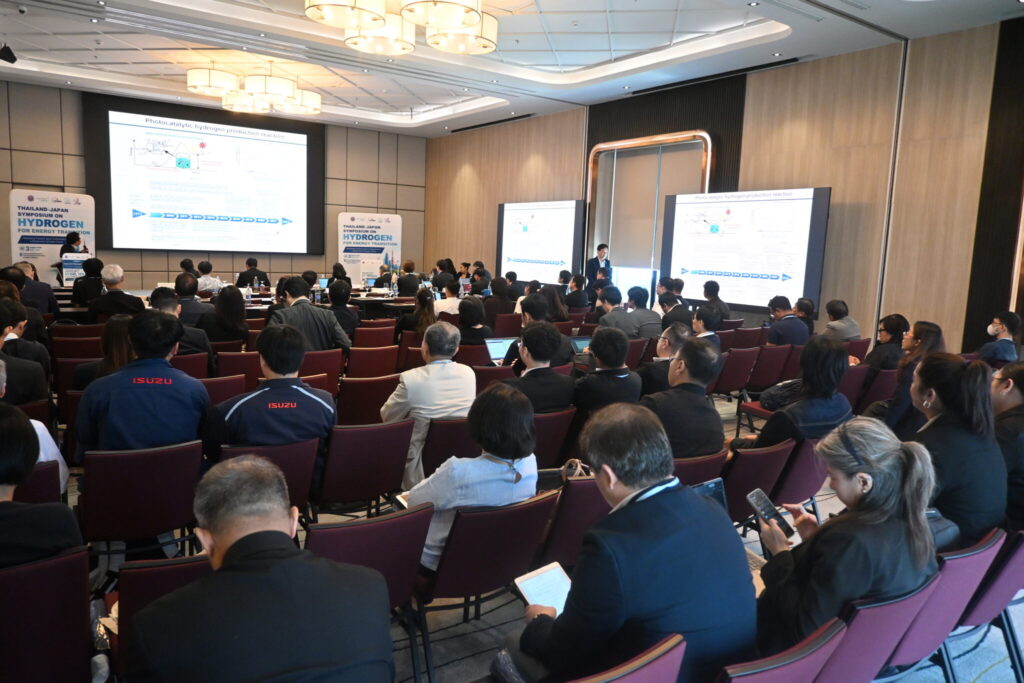
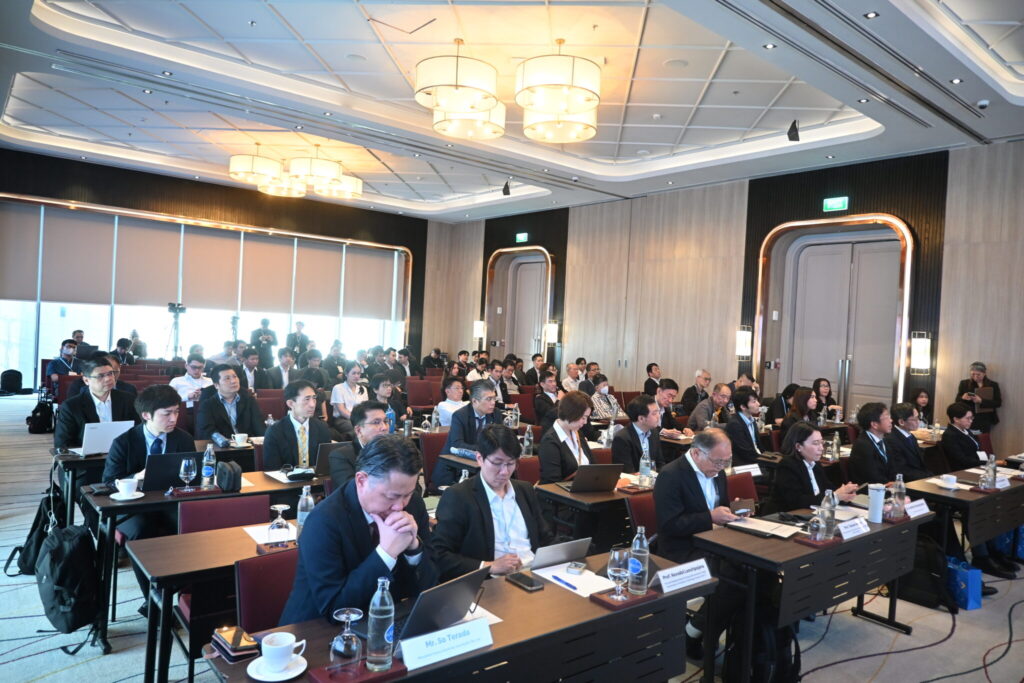
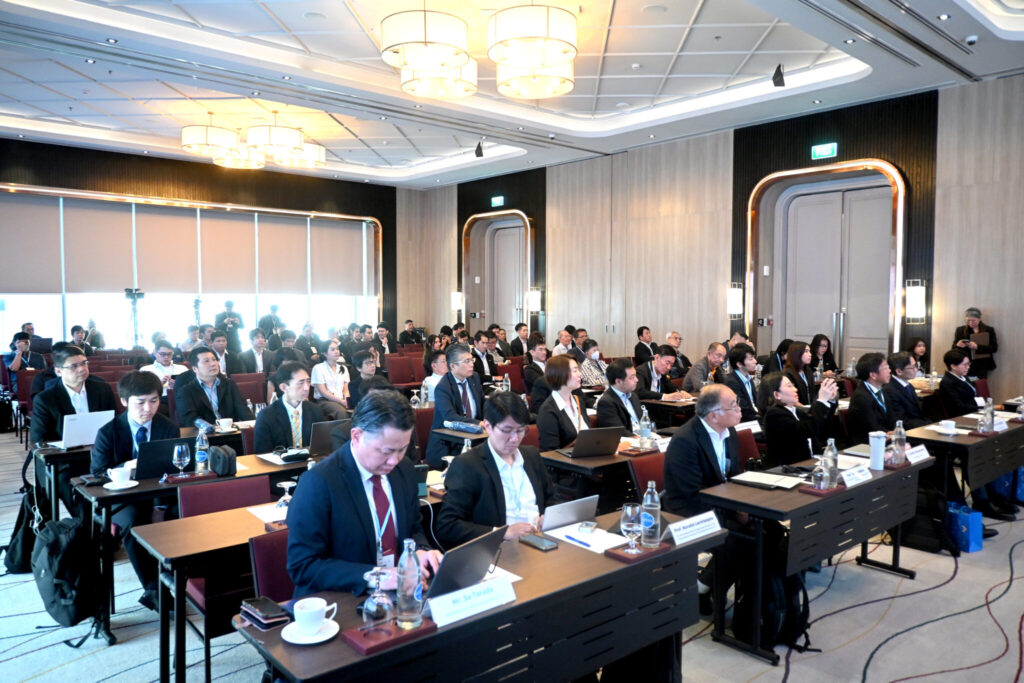
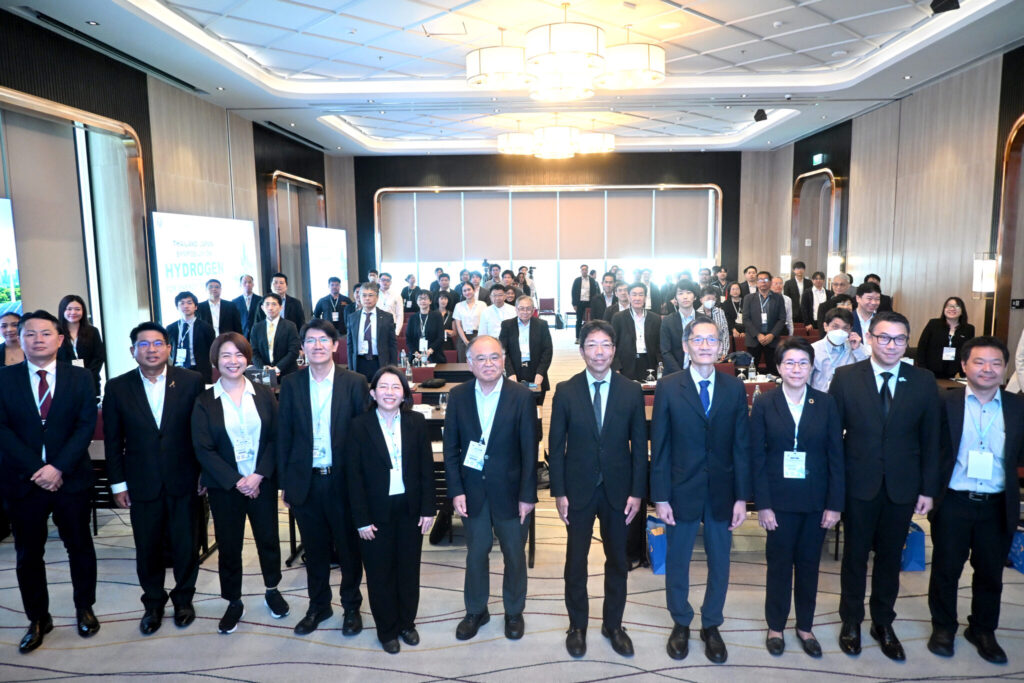
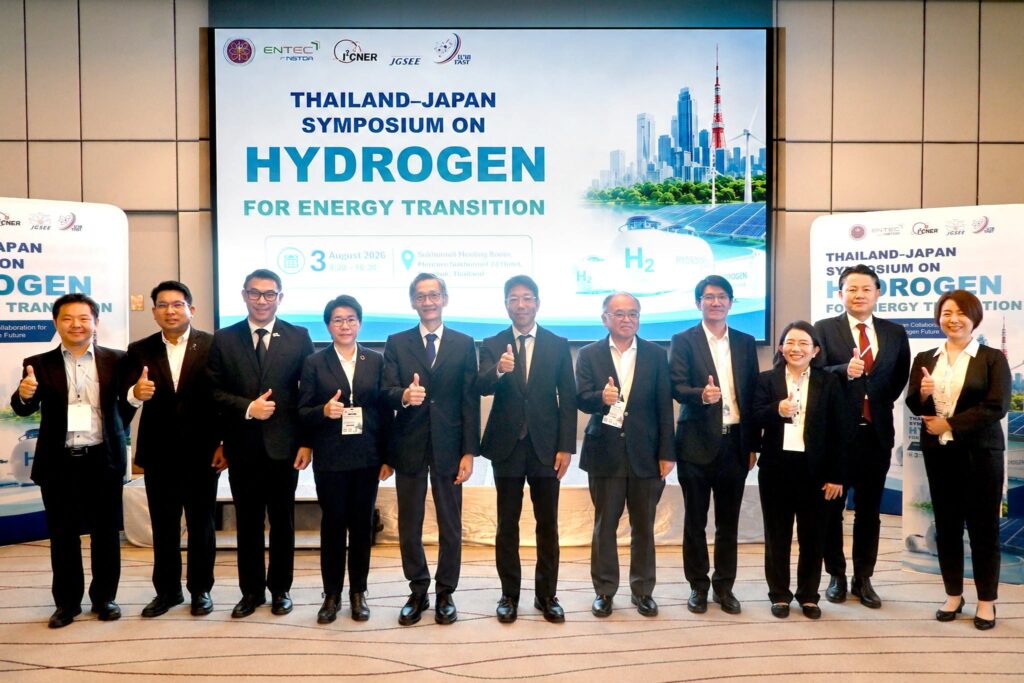
The National Energy Technology Center (ENTEC), National Science and Technology Development Agency (NSTDA), under the Ministry of Higher Education, Science, Research and Innovation (MHESI), together with Thai and Japanese partners, organized the Thailand–Japan Symposium on Hydrogen for Energy Transition: Bilateral Cooperation under the NEXUS Programme. The symposium brought together more than 100 researchers, academics, industry representatives, and policymakers to exchange knowledge on hydrogen technologies, share perspectives from academia and industry, and strengthen Thailand–Japan cooperation toward a clean energy transition.

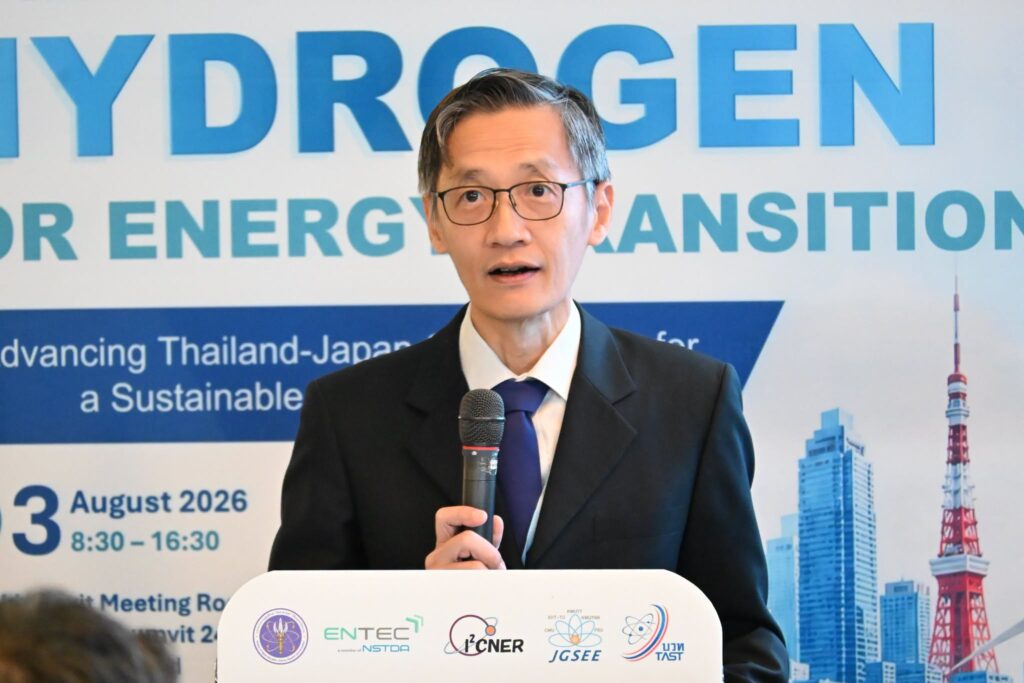
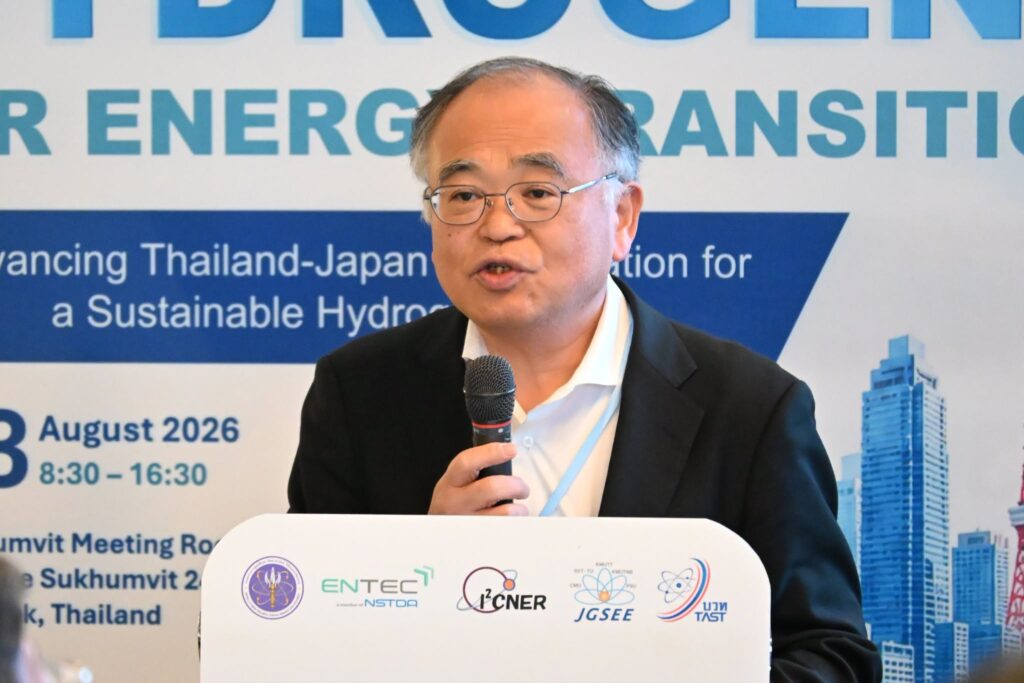
The event opened with welcome remarks by Dr. Somboon Sahasithiwat, Executive Director of ENTEC, NSTDA, who welcomed participants. He then highlighted that hydrogen is an important technology for advancing the energy transition and achieving carbon neutrality. Thailand and Japan have complementary strengths, with Japan’s advanced hydrogen technologies and Thailand’s potential for hydrogen production from biological resources and applications in industry. ENTEC is committed to R&D in low-carbon energy technologies, particularly hydrogen, fuel cells, and biofuels, and to advancing collaboration under the NEXUS Programme with Kyushu University and other partners to accelerate knowledge creation, technology exchange, and the practical application of research outcomes.

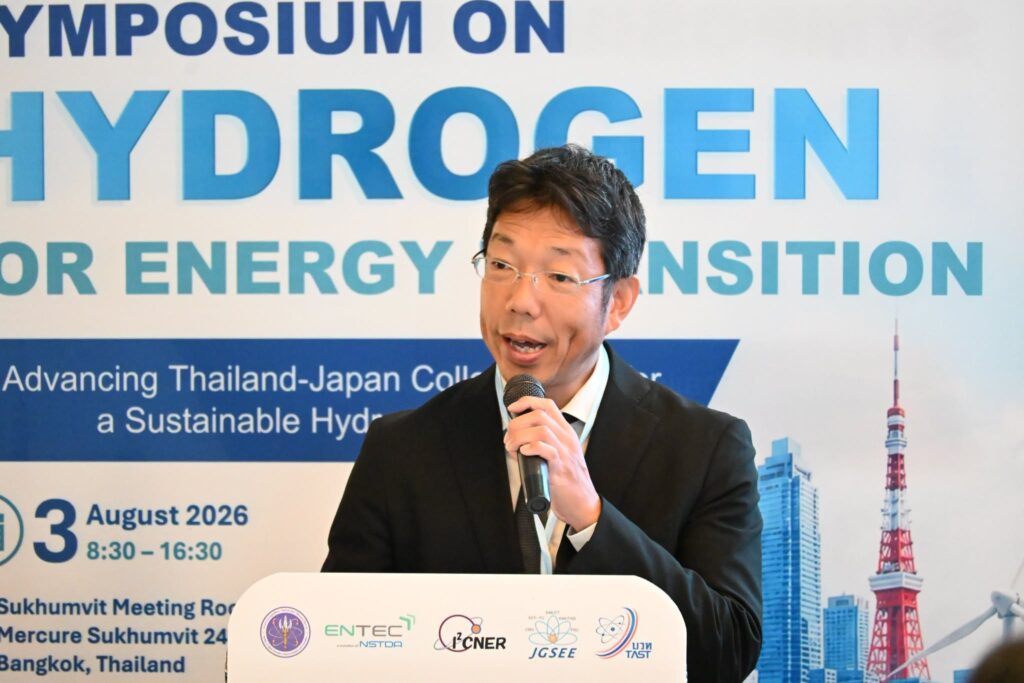
The opening session also featured remarks from Mr. Toru Kajiwara, Minister and Head of the Economic Section, Embassy of Japan in Thailand, as the honorary guest; Dr. Kanyawim Kirtikara, Vice President for Research and Innovation, King Mongkut’s University of Technology Thonburi (KMUTT); Dr. Jitti Mangkala-Siri, Deputy Director of the Program Management Unit for Competitiveness (PMU-B); and Prof. Tatsumi Ishihara, Kyushu University.

Minister Kajiwara emphasized that Thailand–Japan cooperation will play an important role in accelerating the energy transition in both countries. Japan has continuously advanced its national hydrogen strategy through initiatives such as the Green Innovation Fund, legislation promoting a hydrogen society, and a target to expand hydrogen use to approximately 20 million tonnes by 2050. He noted that ongoing cooperation between Thailand and Japan in policy, human resource development, and research under the NEXUS Programme can build on the strengths of both countries and help bring hydrogen technologies into practical use.

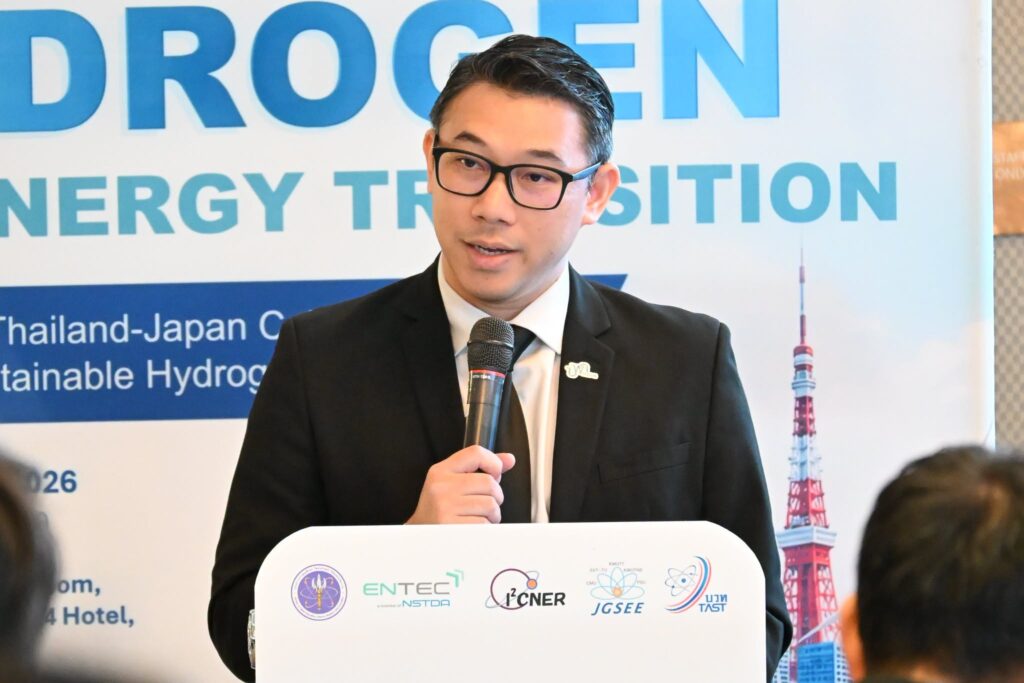
Dr. Jitti Mungkalasiri, Deputy Director of PMU-B, highlighted the importance of Thailand–Japan cooperation in advancing hydrogen research and innovation and accelerating the transition from research to practical applications. He emphasized that successful hydrogen development requires integration across research, industry, policy, infrastructure, human resources, and funding mechanisms.

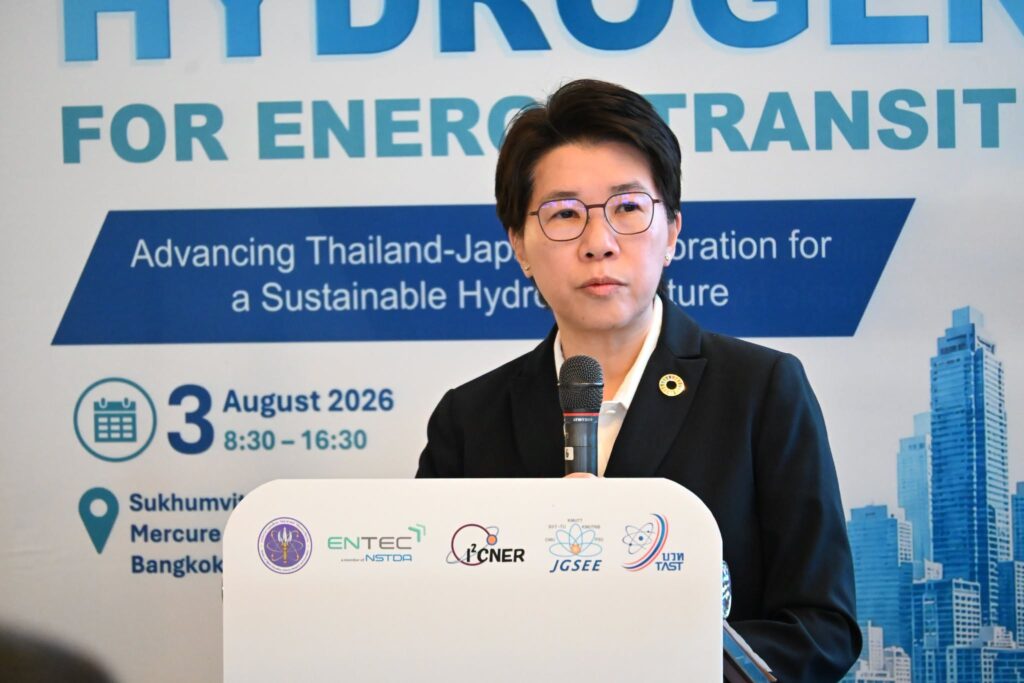
Dr. Kanyawim Kirtikara, Vice President for Research and Innovation, KMUTT, noted that Thailand and Japan have complementary strengths for further cooperation. Japan has advanced hydrogen and fuel cell technologies, while Thailand has strong potential in renewable energy, research personnel, and industrial capabilities. She stressed that achieving Net Zero requires close collaboration among researchers, industry, and policymakers in both countries.

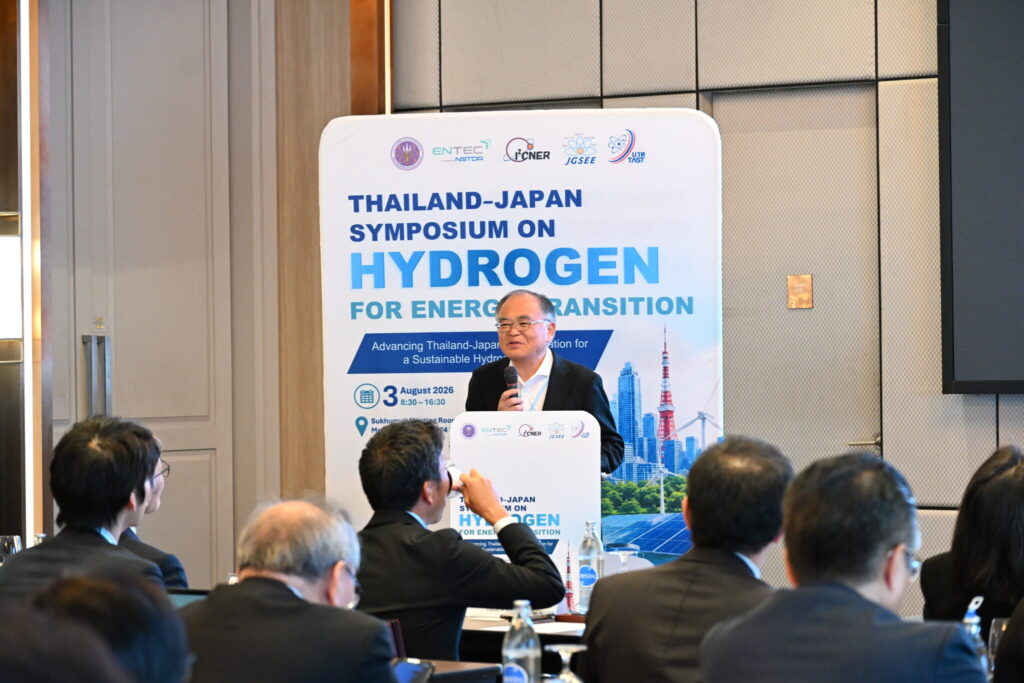
Prof. Tatsumi Ishihara, Kyushu University, highlighted the continued growth of global investment in hydrogen and expanding research and applications across production, storage, transportation, and energy utilization. He also introduced Kyushu University’s Hydrogen Institute for Sustainability, which integrates research across hydrogen production, storage, and utilization while promoting international collaboration and global research networks.

The symposium featured a series of keynote presentations, invited lectures, and industry perspectives from leading experts, researchers, and industry representatives from Thailand and Japan.

Keynote Presentations

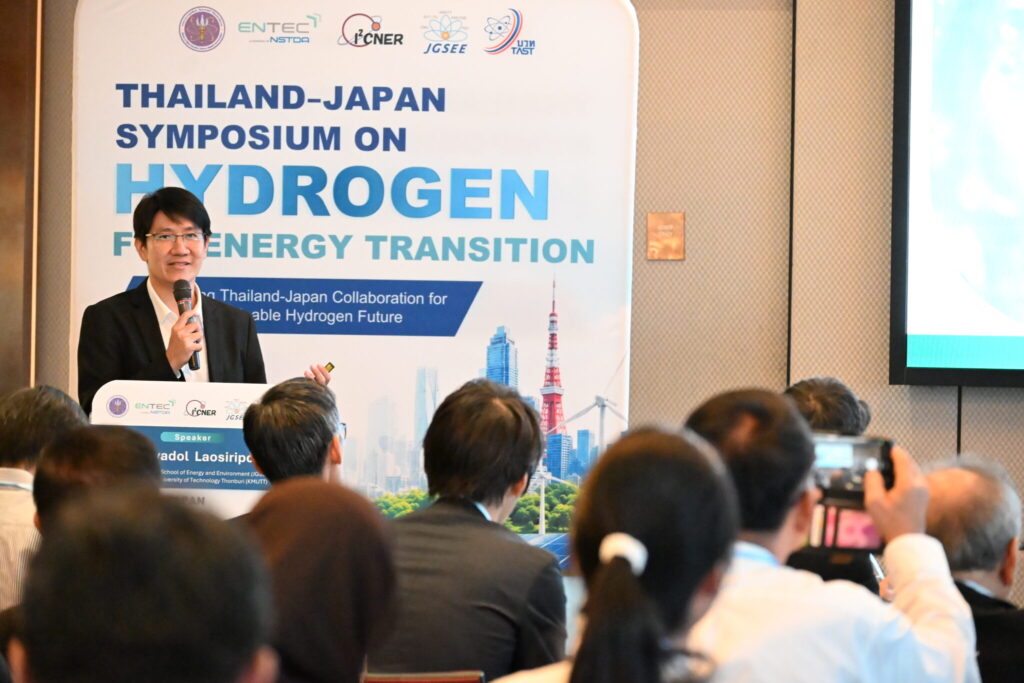
  • Prof. Dr. Navadol Laosiripojana, Director of the Joint Graduate School of Energy and Environment (JGSEE), presented an overview of hydrogen technology research in Thailand, highlighting the potential of biomass resources and organic waste for hydrogen production.
  • Prof. Tatsumi Ishihara, International Institute for Carbon-Neutral Energy Research (I²CNER), Kyushu University, discussed new innovations in clean hydrogen production, with a focus on reducing production costs and making clean energy more accessible to the public and industry.

Invited Lectures

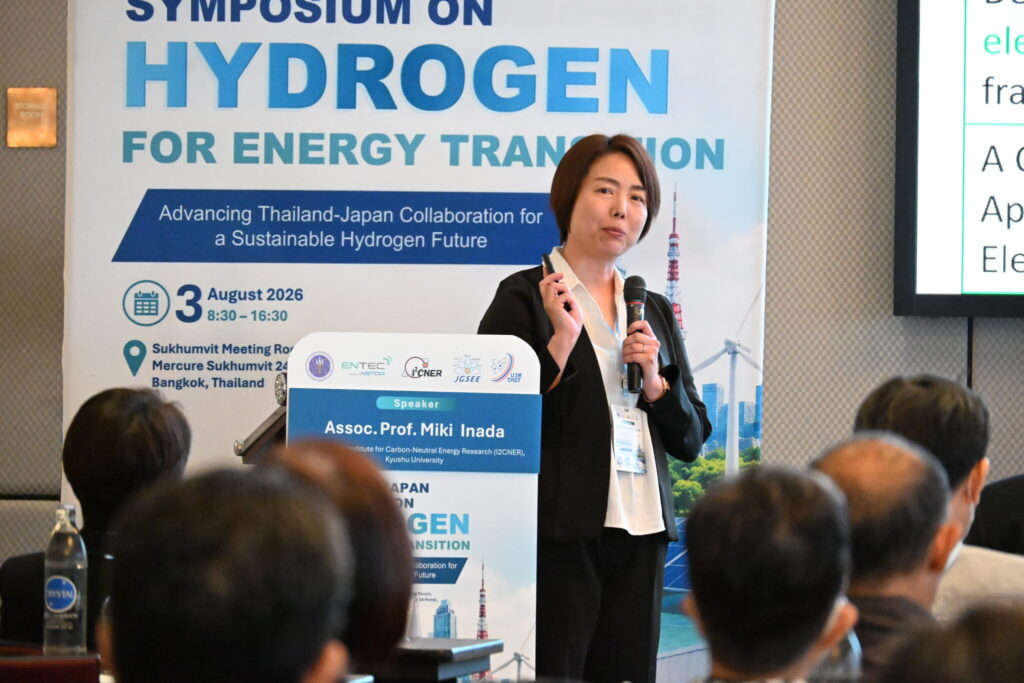
  • Assoc. Prof. Miki Inada, I²CNER, Kyushu University, presented research on converting agricultural residues, such as cassava pulp, into hydrogen for clean energy applications through biological processes combined with photocatalysts.
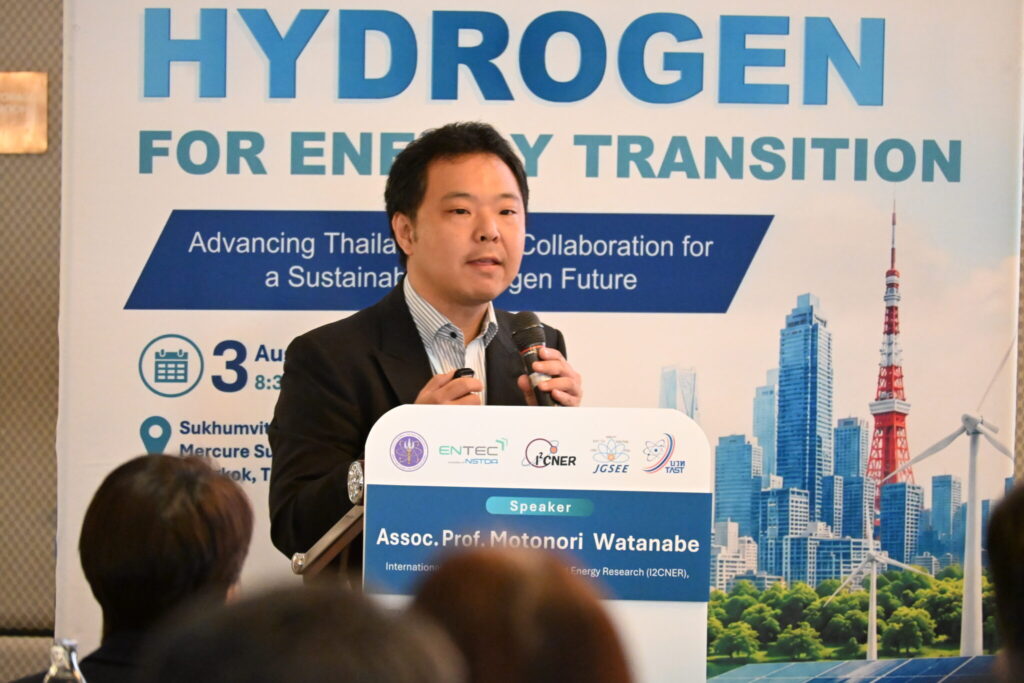
  • Assoc. Prof. Motonori Watanabe, I²CNER, Kyushu University, presented advances in two-dimensional thin-sheet light-harvesting materials designed to improve the efficiency of solar-driven hydrogen and hydrogen peroxide production.

Industry Perspectives

  • Dr. Narun Suwanchotchoung, Hydrogen Thailand Association, provided an overview of Thailand’s hydrogen technology development, the direction of the hydrogen industry, the roles of the public and private sectors, and opportunities for hydrogen applications in the country’s transition to clean energy.
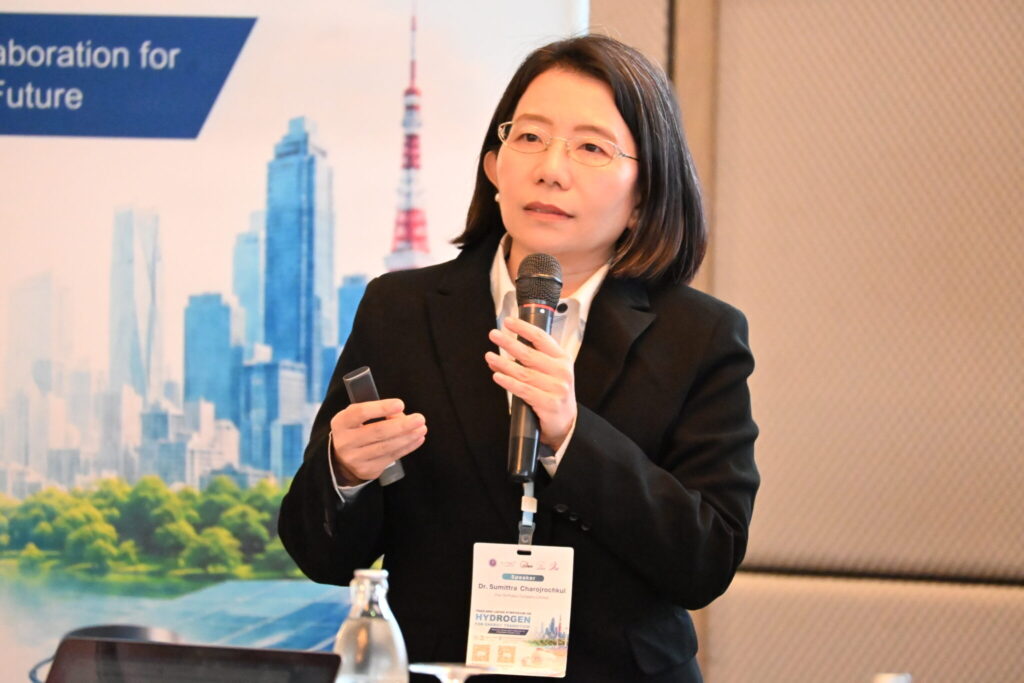
  • Dr. Sumittra Charojrochkul, Thai Oil Public Company Limited, shared perspectives on hydrogen from the refining industry, emphasizing that Thailand–Japan cooperation in hydrogen technology development is a key catalyst for building a hydrogen ecosystem to support the energy transition and reduce greenhouse gas emissions in the industrial sector.
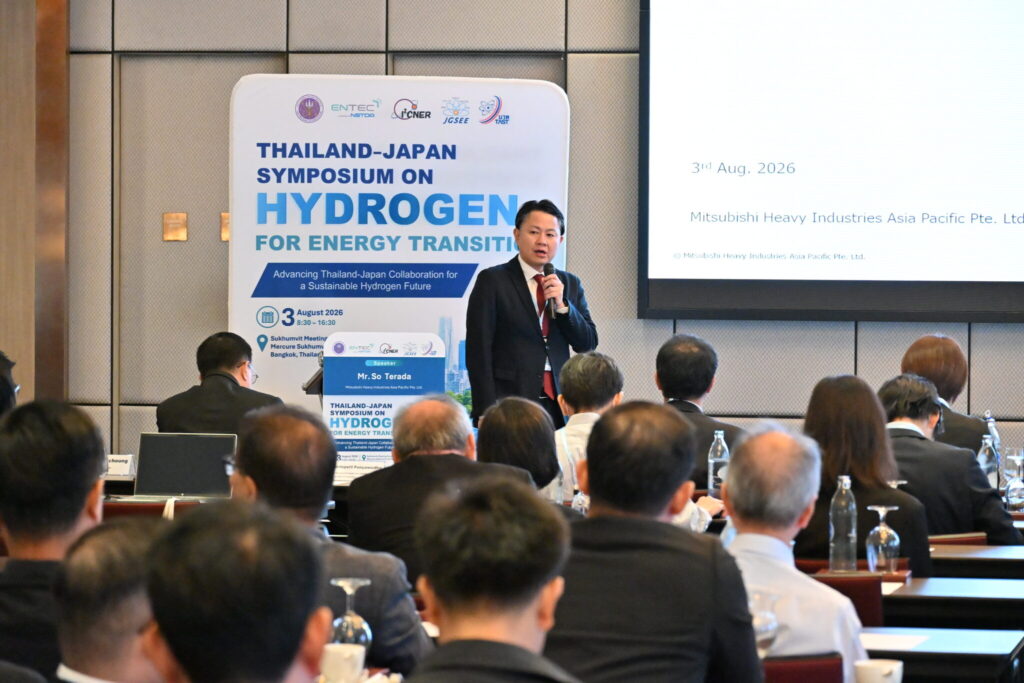
  • Mr. So Terada, Mitsubishi Heavy Industries (MHI), presented advances in hydrogen- and ammonia-based power generation technologies, highlighting MHI’s projects and innovations to improve power generation efficiency while reducing CO2 emissions and supporting the transition to low-carbon energy.

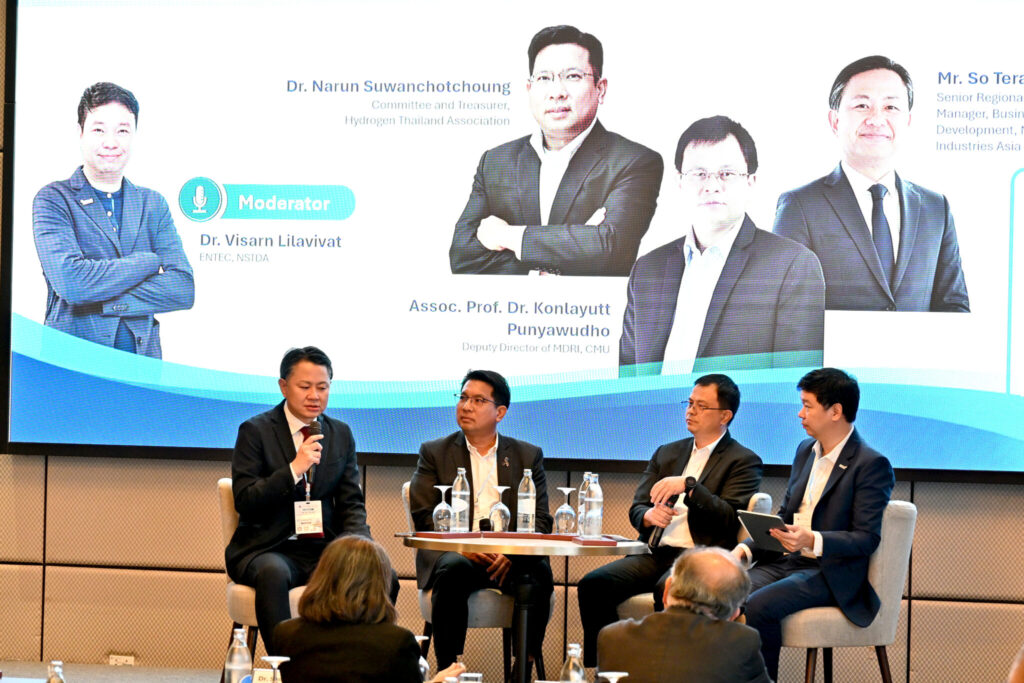
Panel Discussion: Thailand’s Hydrogen Energy Outlook

The symposium concluded with a panel discussion on the outlook for hydrogen energy in Thailand and the transition from research to commercial deployment.

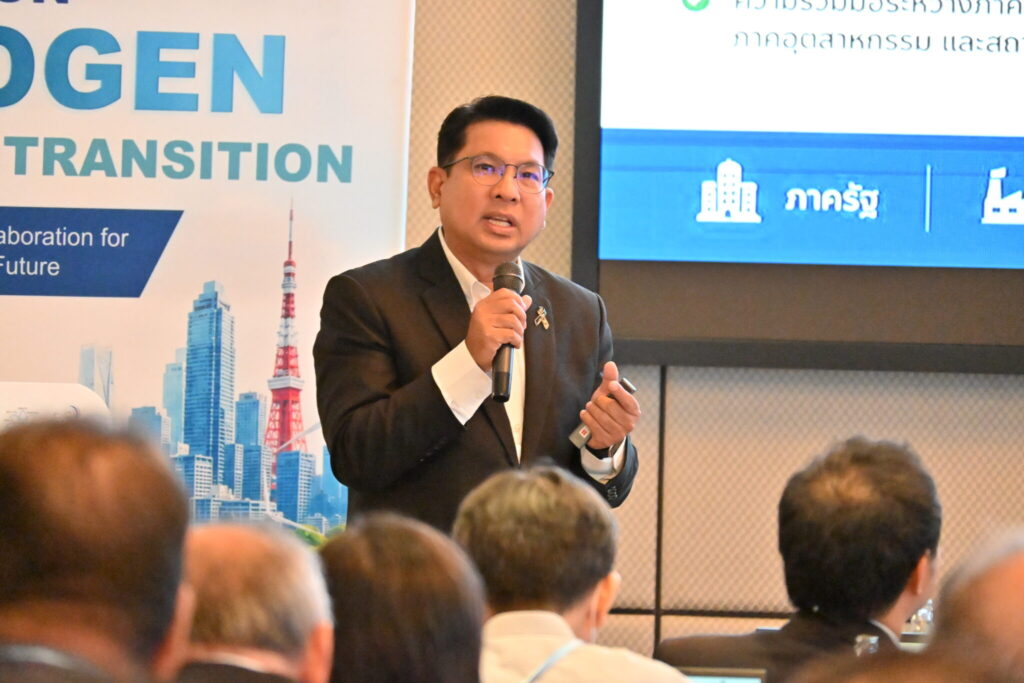
Dr. Visarn Lilavivat, Senior Researcher at ENTEC, served as the moderator. He identified the oil refining and petrochemical industries as among the most immediate opportunities for hydrogen deployment, as these sectors already use hydrogen.

Assoc. Prof. Dr. Konlayutt Punyawudho, Chiang Mai University, highlighted the high cost of equipment and storage systems as key barriers. He noted that using chemical carriers such as ammonia for hydrogen storage and transportation could be particularly suitable for Thailand’s hot and humid climate.

Mr.Terada, MHI, highlighted blue hydrogen as an important bridge toward large-scale deployment, while noting that 20% hydrogen co-firing in gas turbines still requires further efforts to ensure supply-chain stability.

Dr. Narun, emphasized that the private sector is ready to invest, but called for clearer government policies, including hydrogen blending targets in the Power Development Plan (PDP), tax incentives, and safety standards. These measures would help strengthen Thailand’s position as a regional hub for hydrogen technologies.

The event also reflects ENTEC’s ongoing commitment to strengthening Thailand–Japan cooperation, particularly in hydrogen and other low-carbon energy technologies. By fostering collaboration with Japanese research institutions, universities, and industry partners, ENTEC aims to create opportunities for joint research, technology development, capacity building, and the practical application of innovations to support Thailand’s long-term energy transition.