2026.02.20-19 ENTEC NSTDA – ERC Elevate “Capability Building for Energy Transition 2026” Program with Field Visit to Enhance Readiness for Regulating Future Energy Technologies
February 19-20, 2026, at Sukhumvit Meeting Room, Mercure Bangkok Hotel and Thailand Institute of Nuclear Technology (TINT), Ongkarak, Nakhon Nayok
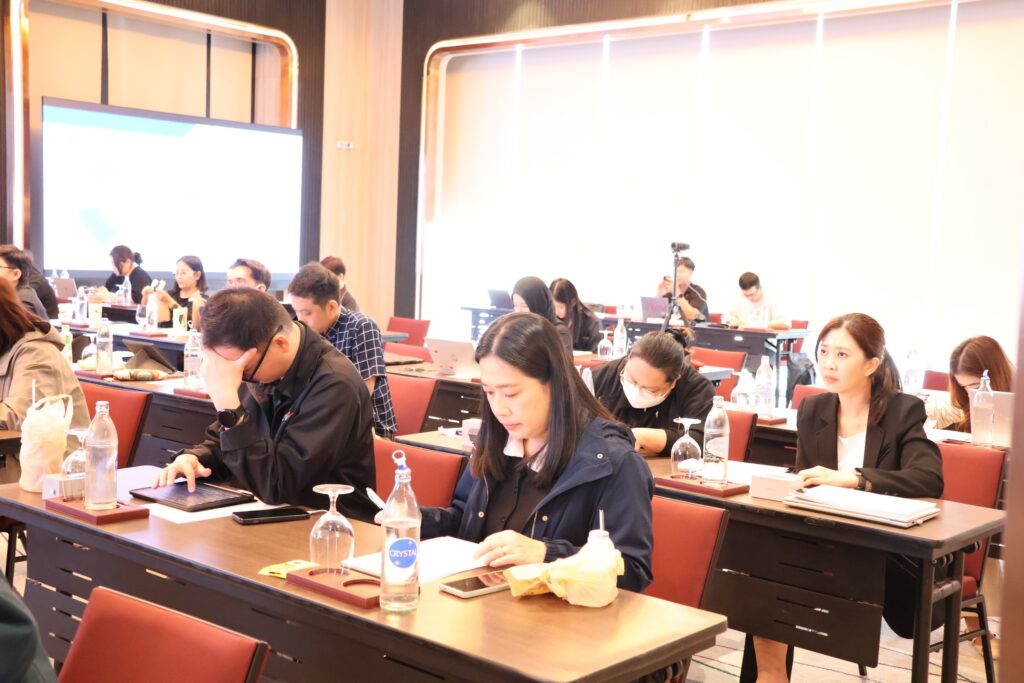
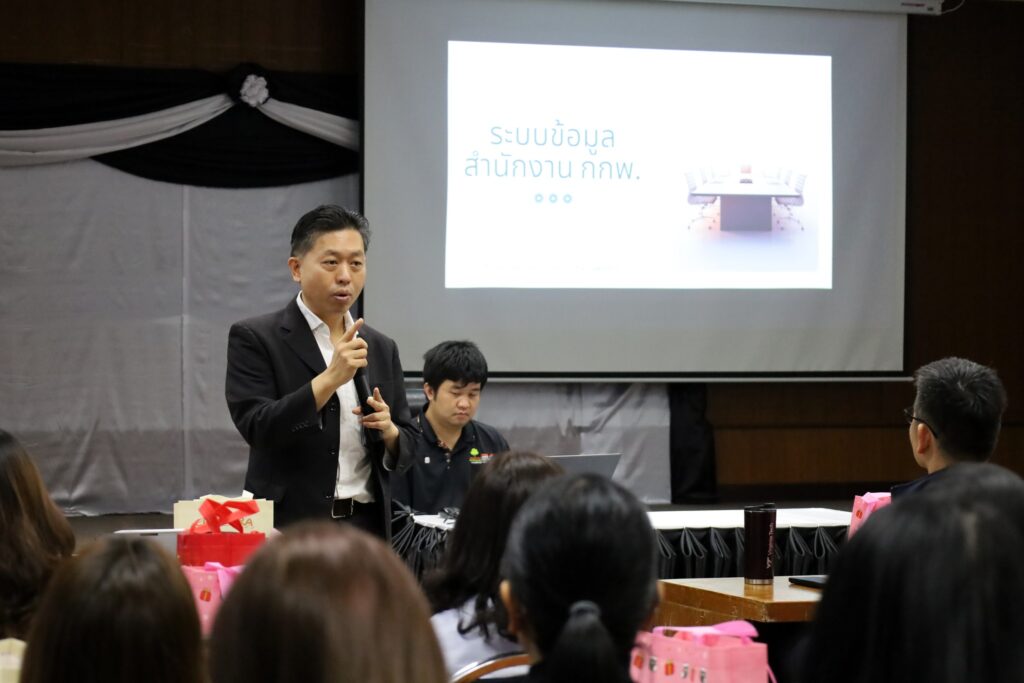
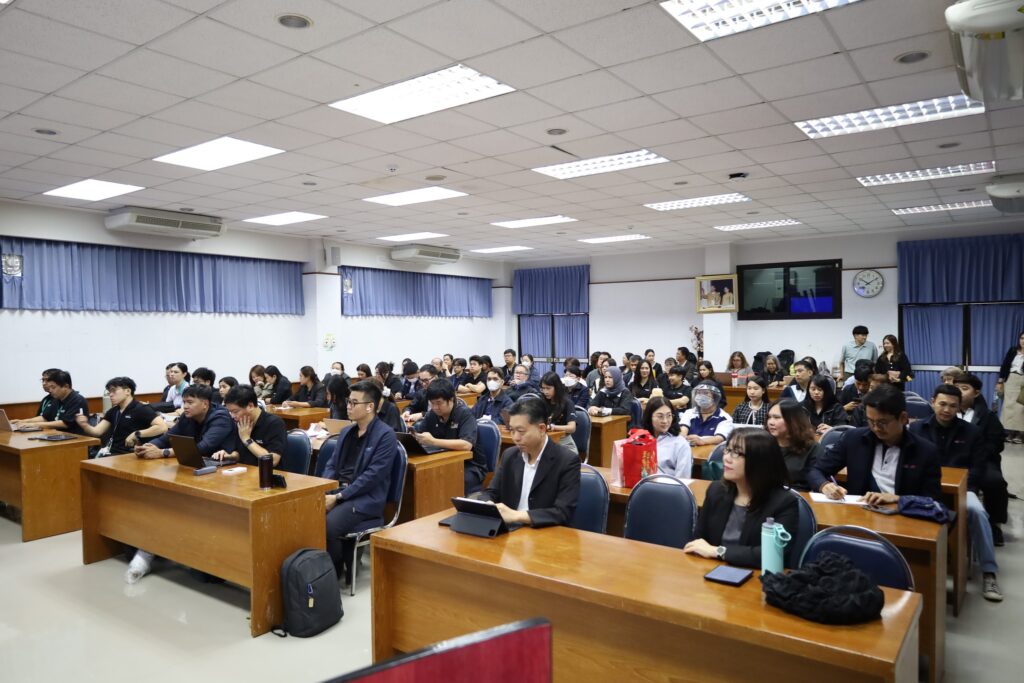
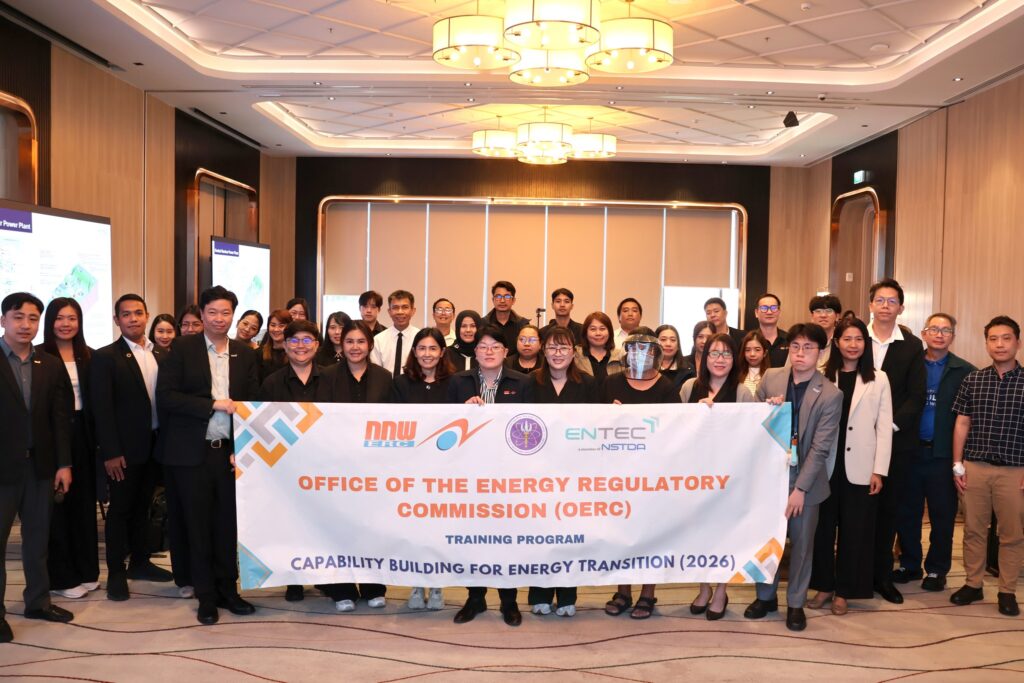
The National Energy Technology Center (ENTEC), National Science and Technology Development Agency (NSTDA), in collaboration with the Office of the Energy Regulatory Commission (ERC), organized the “Capability Building for Energy Transition (2026)” training program. This enhanced 2-day curriculum features in-depth lectures and a technical site visit to the Thailand Institute of Nuclear Technology (Public Organization), TINT, to strengthen personnel capabilities in regulating emerging energy technologies and ensuring Thailand is well-prepared for the nation’s energy transition.
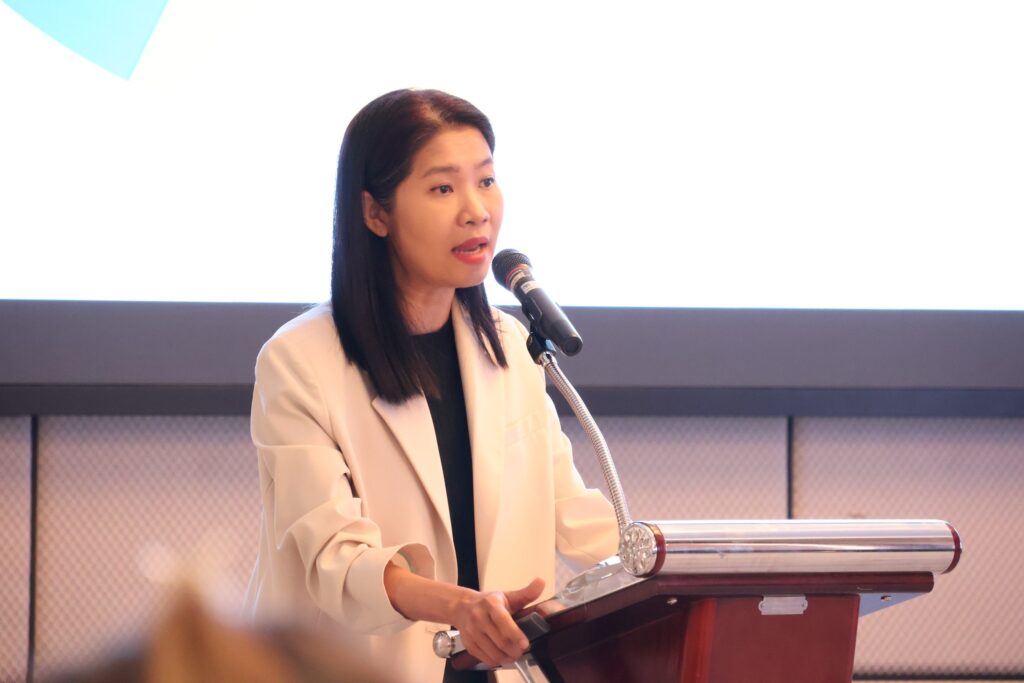
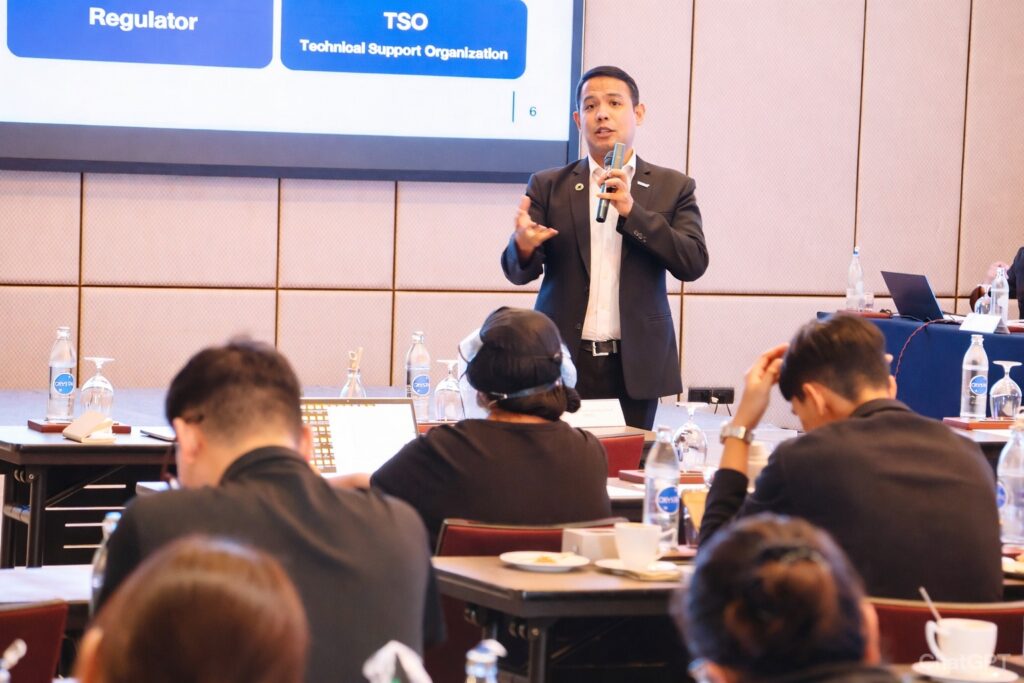
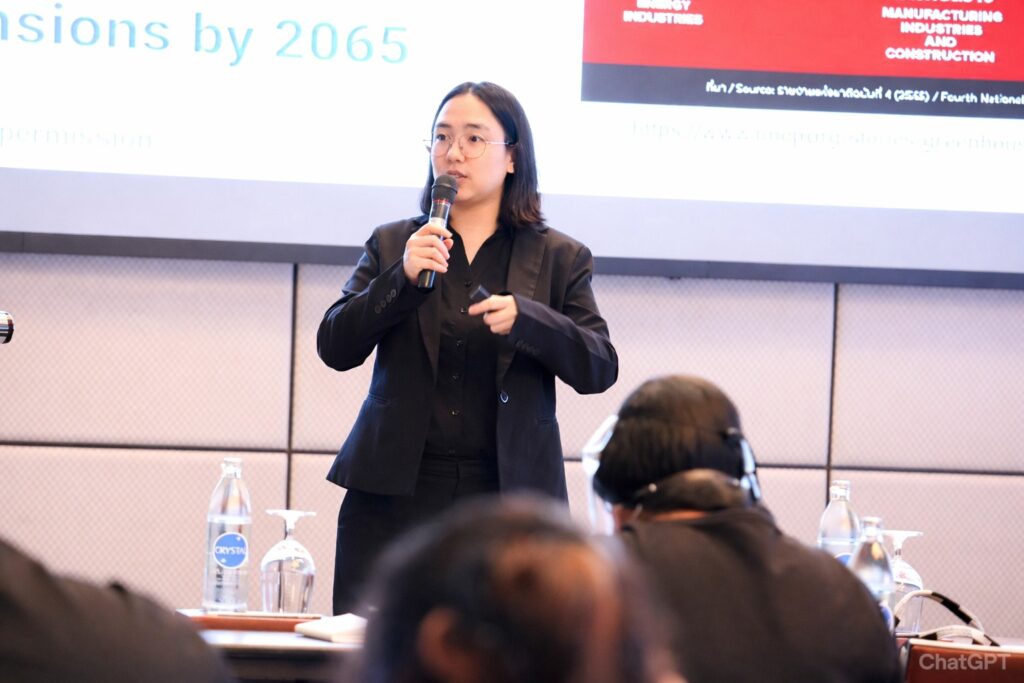
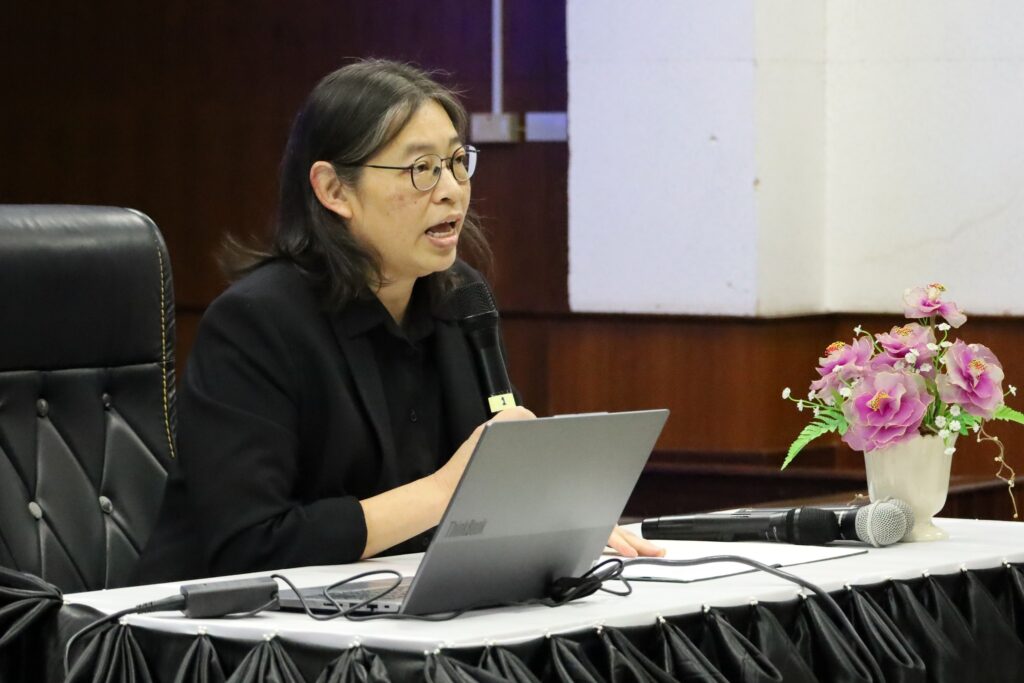
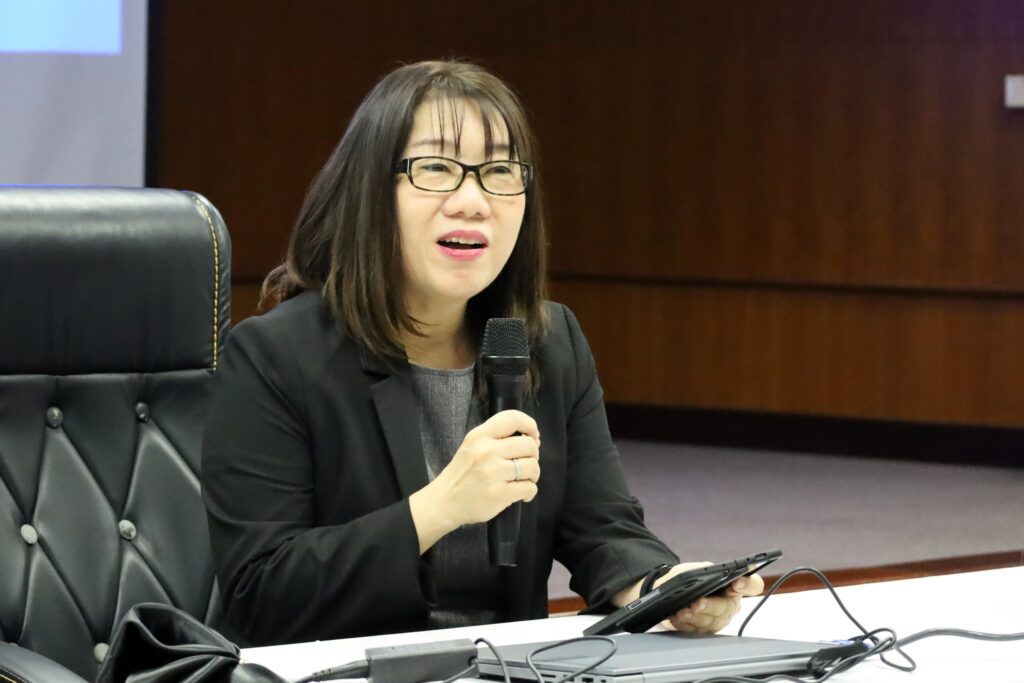
The first day of the activity focused on key low-carbon energy topics, delivered by leading experts from both research and industry sectors, combining technical depth with policy and regulatory perspectives.
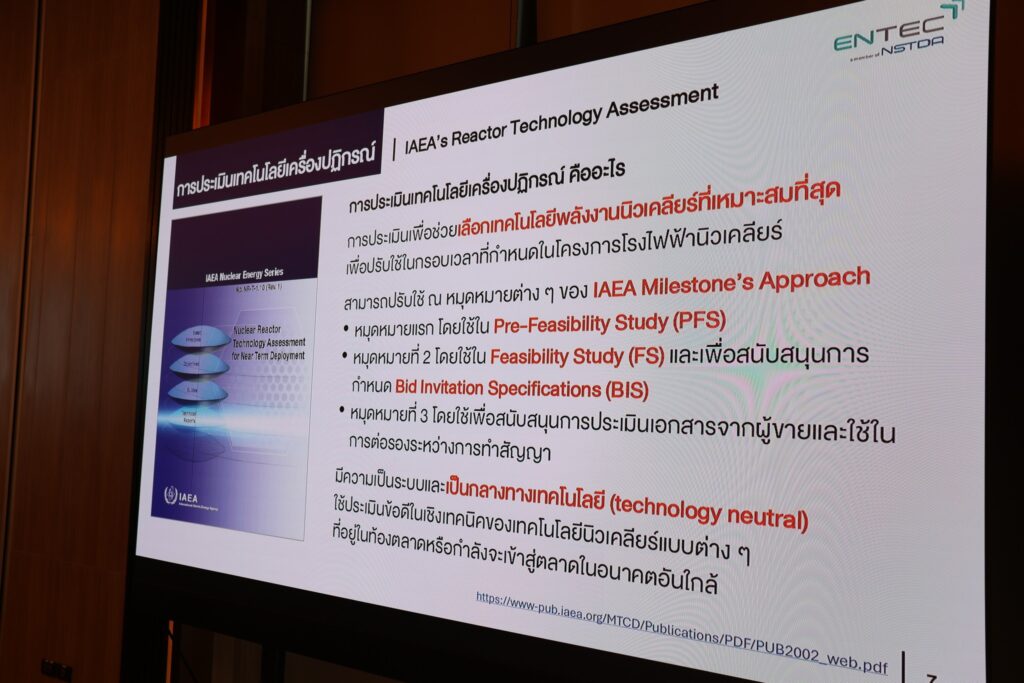
Nuclear Power Policy and Trends by Dr. Nateekool Kriangchaiporn, Senior Nuclear Engineer from the Electricity Generating Authority of Thailand (EGAT), highlighted that the global shift toward a low-carbon society has renewed interest in nuclear energy as a clean, continuous power source, particularly Small Modular Reactors (SMRs), which are smaller, more flexible, and safer. Thailand’s draft PDP 2024 includes 600 MW of SMR capacity in its long-term outlook, with infrastructure development guided by the International Atomic Energy Agency (IAEA) framework.
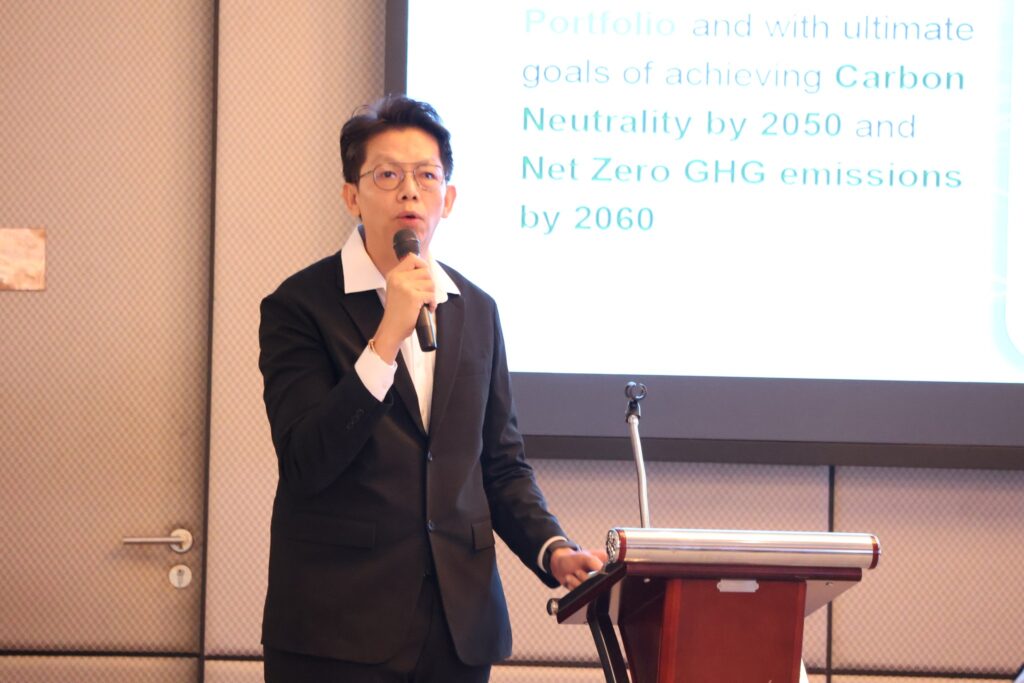
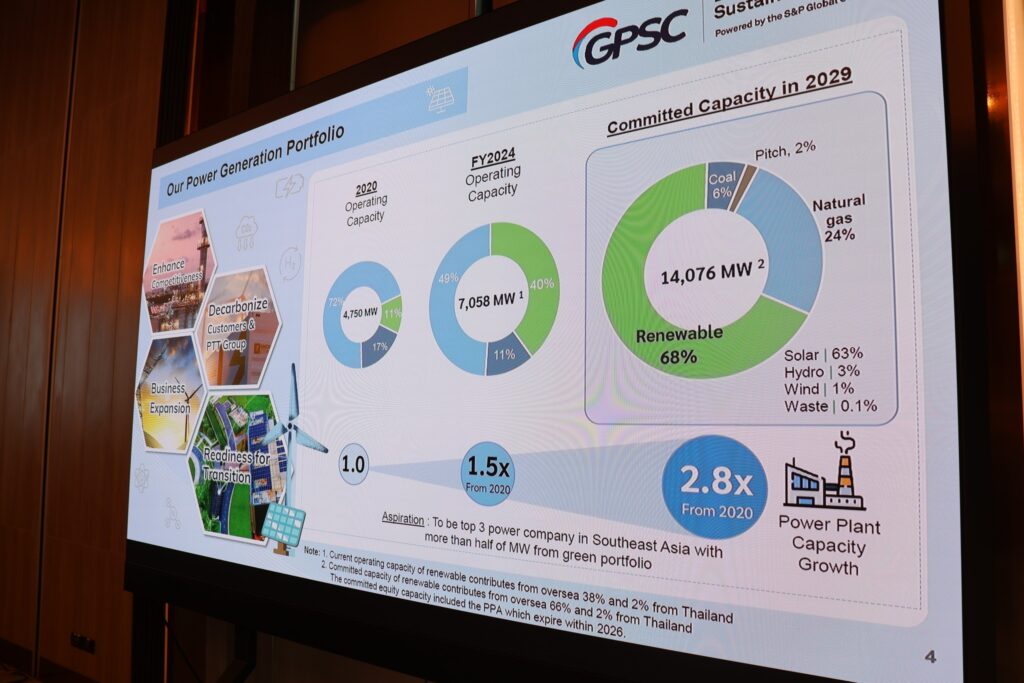
Low-Carbon Industrial Heat from Nuclear Energy by Dr. Pongsak Kruganont, Senior Vice President – Decarbonization Technology at Global Power Synergy Public Company Limited (GPSC) explained that decarbonizing industry cannot rely solely on renewable electricity, as many industrial processes require high-temperature heat. Nuclear energy, especially SMRs, can produce steam and heat continuously with virtually no CO₂ emissions. Next-generation Gen IV SMRs can deliver temperatures of 500–800°C, making them a practical pathway to Net Zero for heavy industry.
SMR Technology Policy and Development Trends by Dr. Kampanart Silva, Researcher, Renewable Energy and Energy Efficiency Research Team, Low Carbon Energy Research Group, ENTEC NSTDA, offered the perspective that Thailand’s preparation for SMRs must follow the IAEA framework systematically, accelerating development of knowledge in safety, legislation, finance, and regulation before any real project milestones. SMR is not just a new technology, they require building an entire infrastructure system, from technology neutral assessment and the cultivation of public confidence to keep pace with rapidly evolving global energy dynamics.
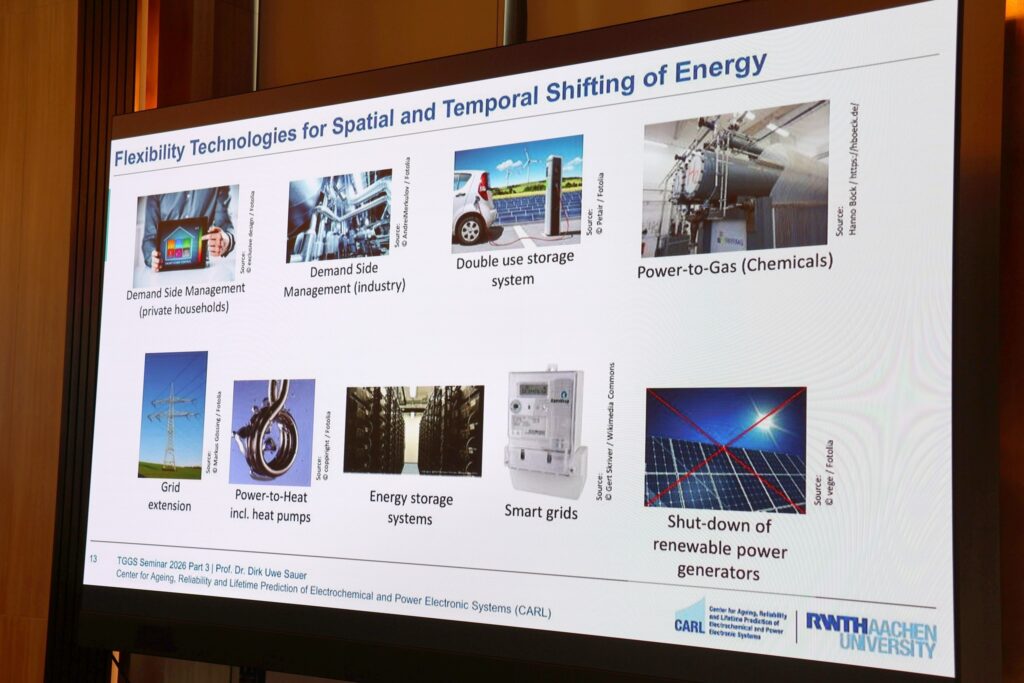
Energy Storage Technology and Applications by Dr. Jiravan Mongkoltanatas, Energy Storage System Technology Research Team Leader, ENTEC NSTDA, noted the critical role of energy storage systems (ESS) in enabling energy transition, enhancing grid flexibility, accommodating variable renewables, and reducing the need for new infrastructure investment. Lithium-ion battery technology is increasingly cost-competitive. For Thailand, ESS holds potential for electric supply capacity support, frequency regulation, and transmission congestion relief, though cost-effectiveness depends on technology costs, market structure, and supportive regulations.
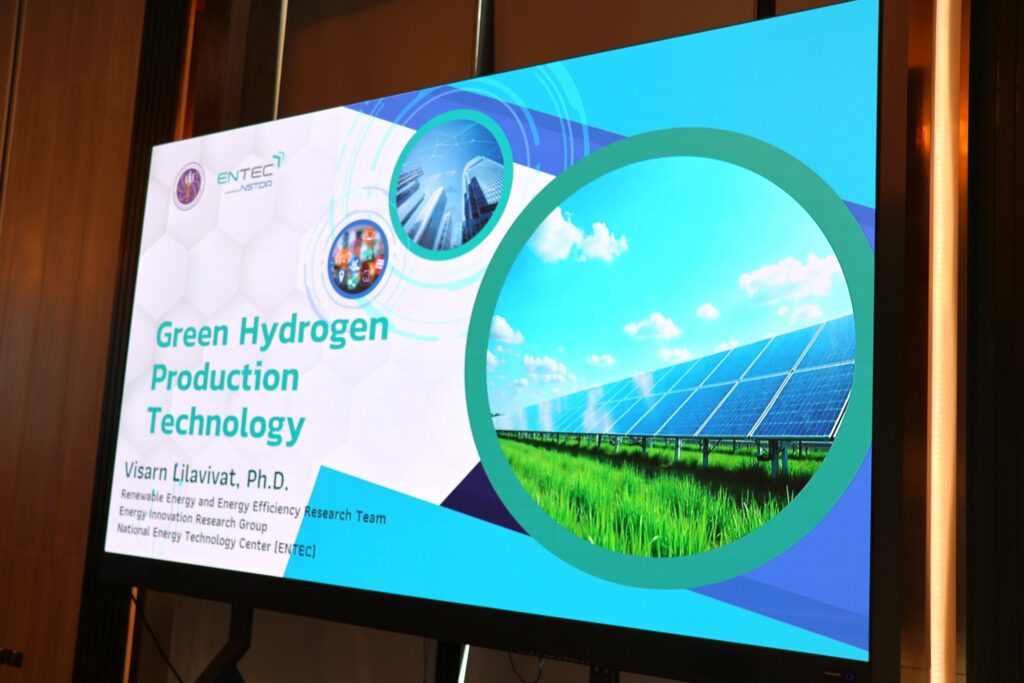
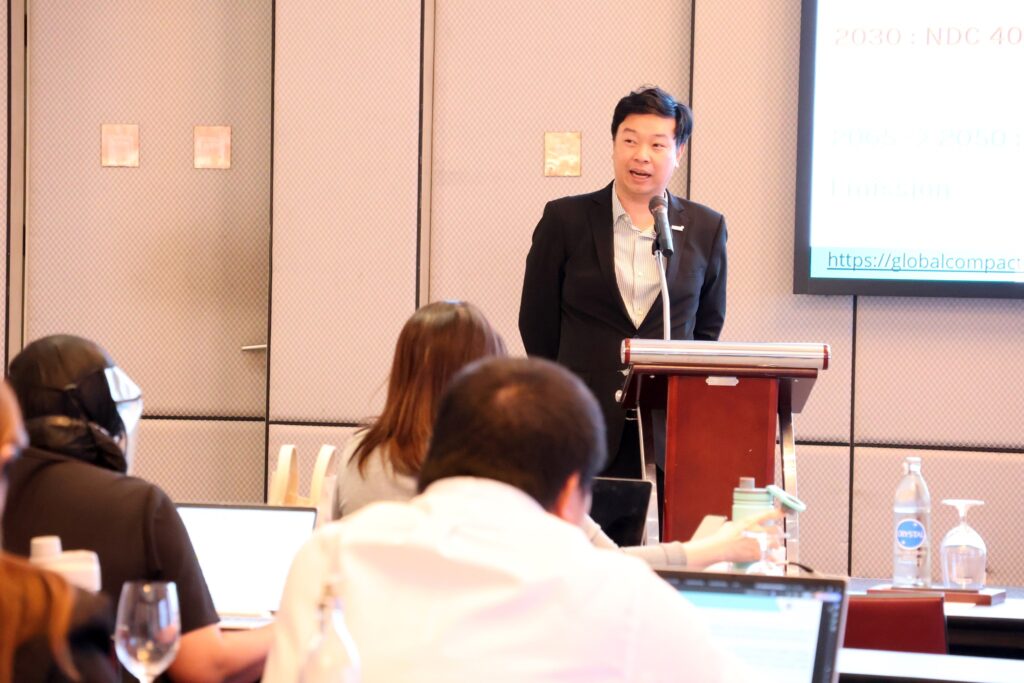
Green Hydrogen Production Technology by Dr. Visarn Lilavivat, Researcher, Renewable Energy and Energy Efficiency Research Team, Low Carbon Energy Research Group, ENTEC NSTDA, underlined that hydrogen, especially green hydrogen produced from renewable energy, is expected to play a key role in decarbonizing heavy industry and large-scale energy systems. Thailand possesses promising potential from both renewable electricity and biogas, but the main challenge remains the cost and durability of technology, requiring accelerated R&D to achieve long-term competitiveness.
The second day of the program featured a field visit to TINT. Thailand Institute of Nuclear Technology (Public Organization), Ongkarak, Nakhon Nayok
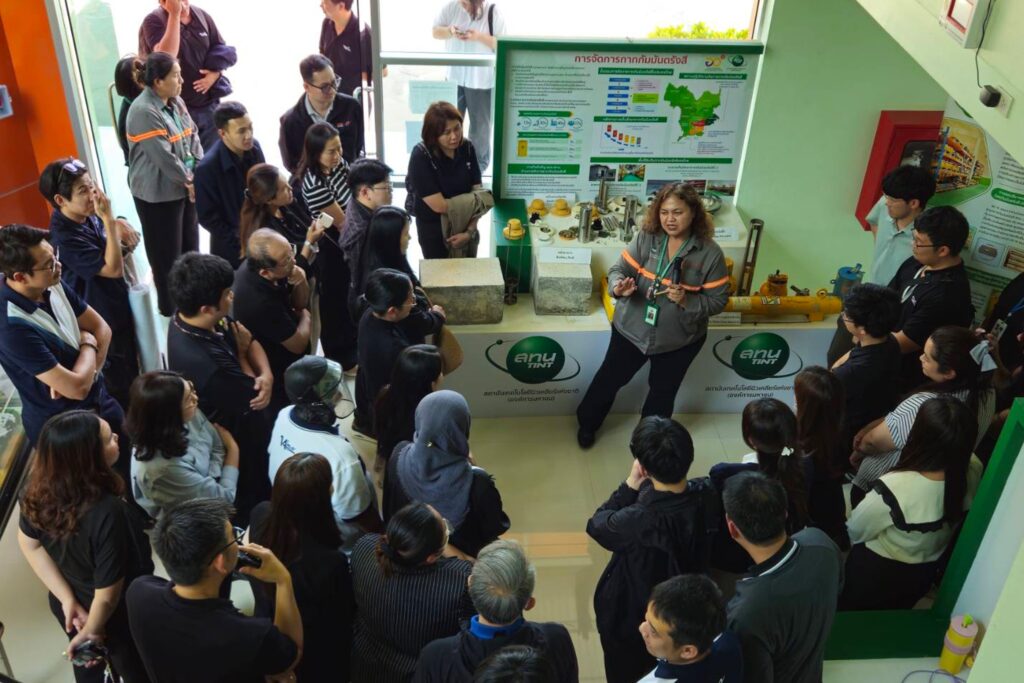
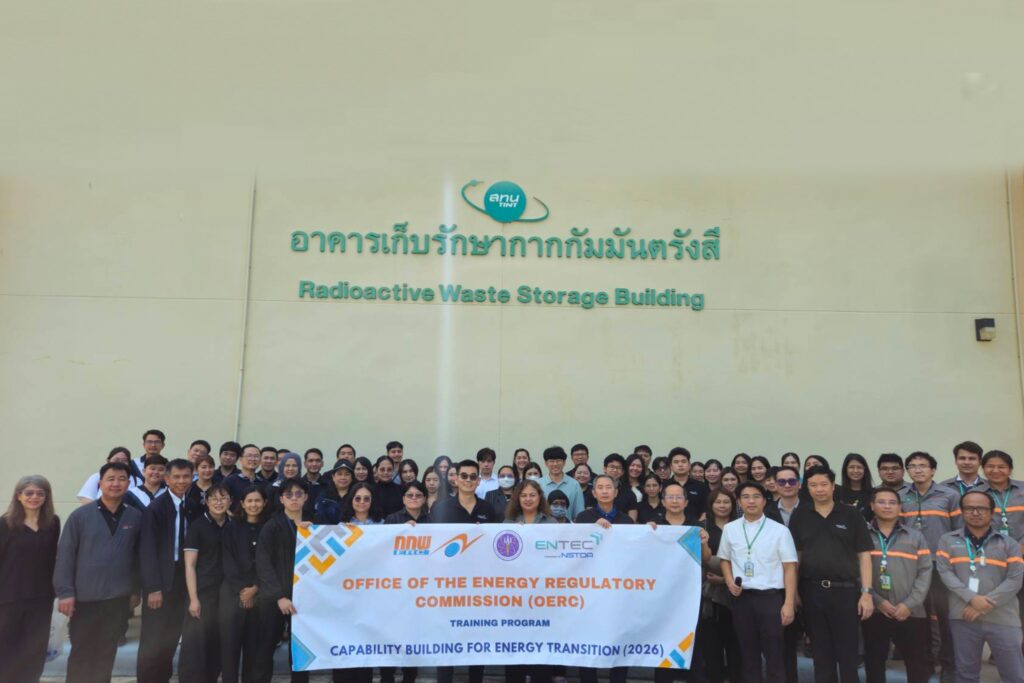
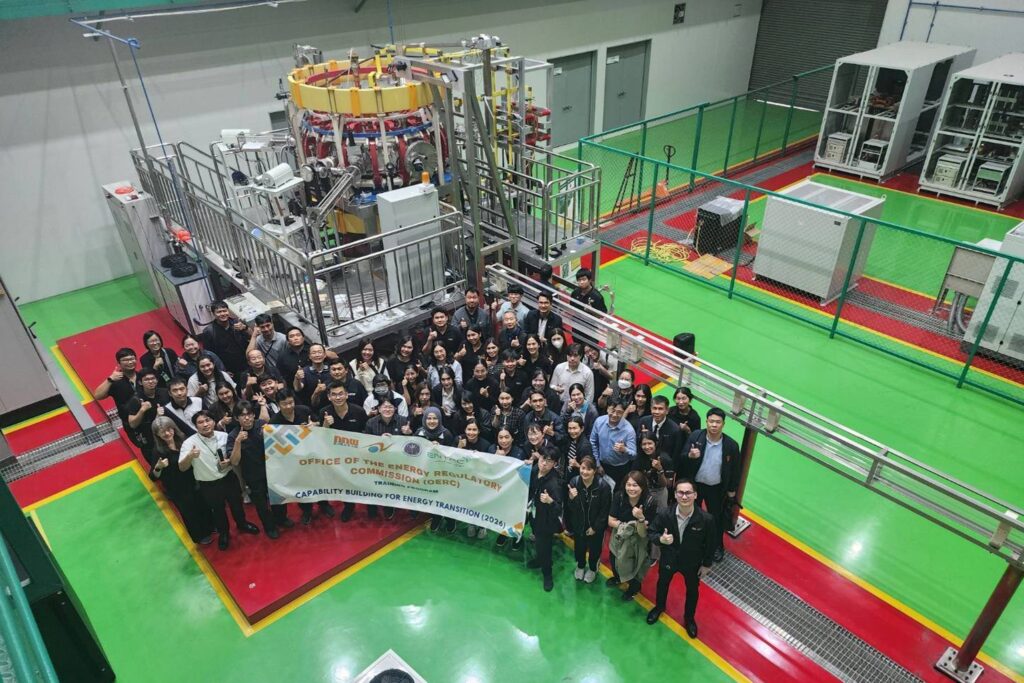
On 20 February 2026, ENTEC and ERC representatives, led by Dr. Lily Eurwilaichitr, Assistant Executive Director, ENTEC, Dr. Prasit Siritiprussamee, Deputy Secretary-General, ERC, Dr. Nuwong Chollacoop, Director of the Low-Carbon Energy Research Group, ENTEC, and Dr. Visarn Lilavivat, brought over 60 participants to visit Thailand Institute of Nuclear Technology (TINT), to learn about nuclear technology and safety management in support of the country’s energy transition.
The delegation was warmly welcomed by Ms. Kanokrat tiyapun, Acting Deputy Executive Director of TINT and her team.
Highlights of the visit included:
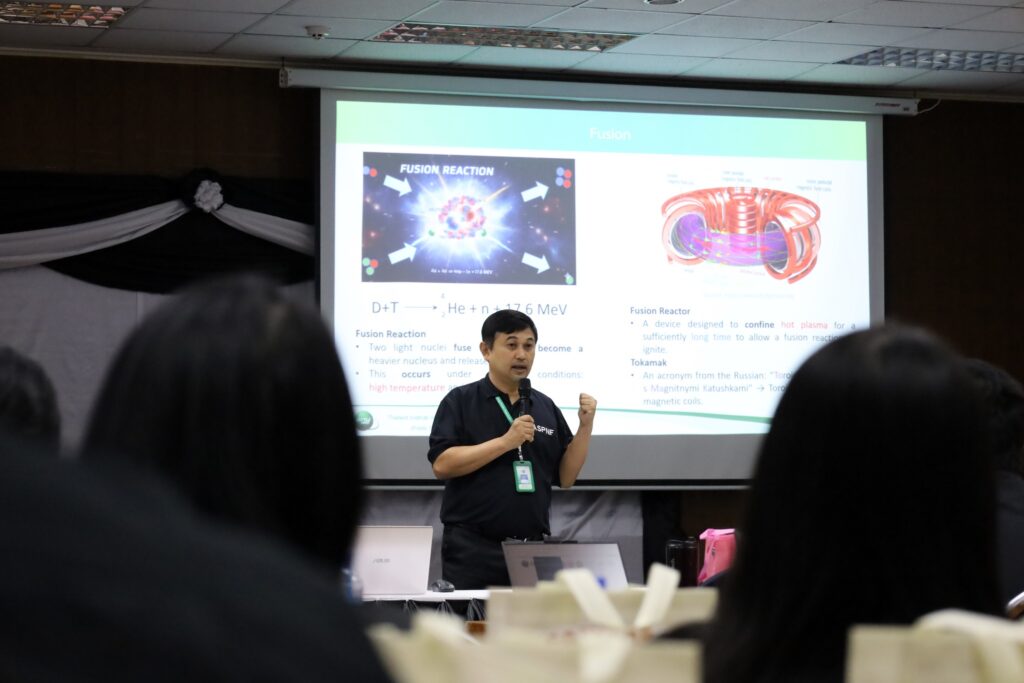
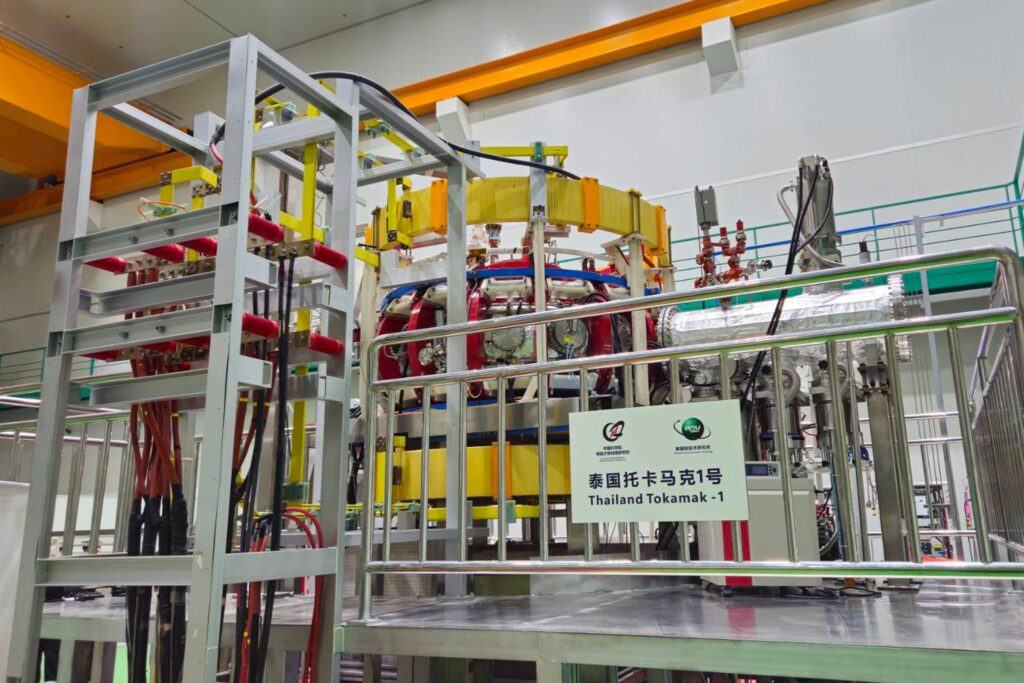
Thailand Tokamak-1 Laboratory — Southeast Asia’s first fusion reactor system, serving as a training and capacity-building center for fusion scientists and engineers, with updates on internationally collaborative research progress.
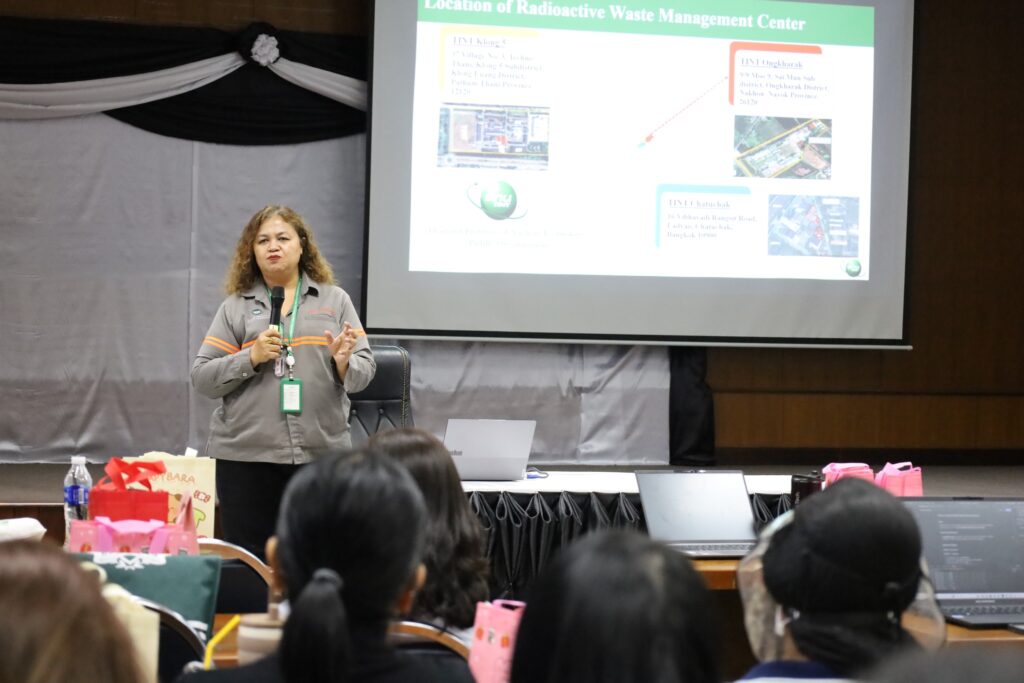
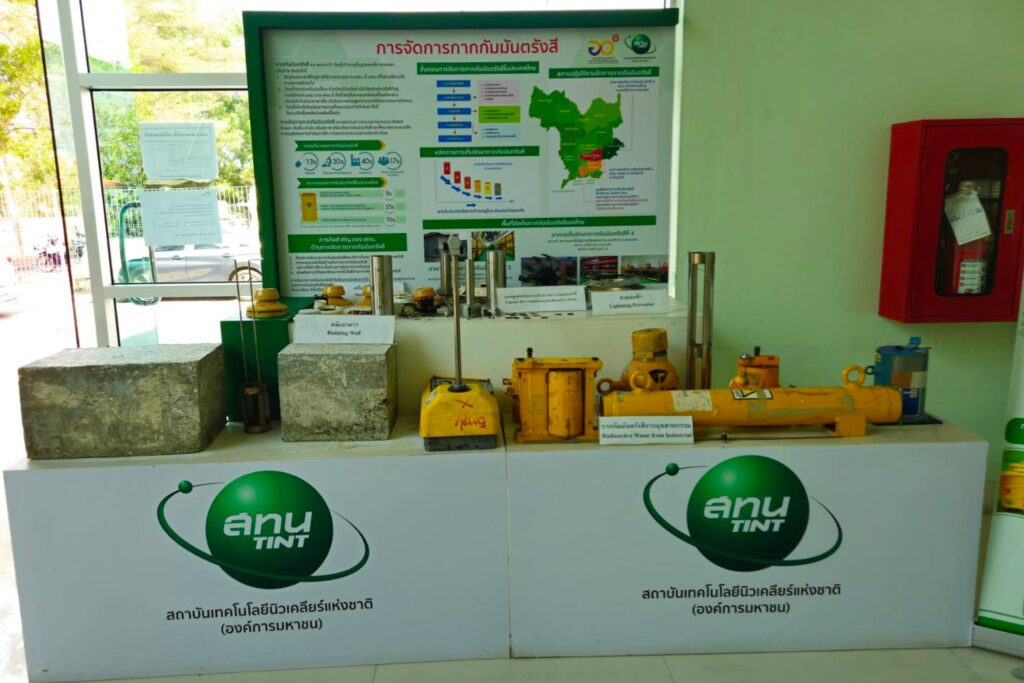
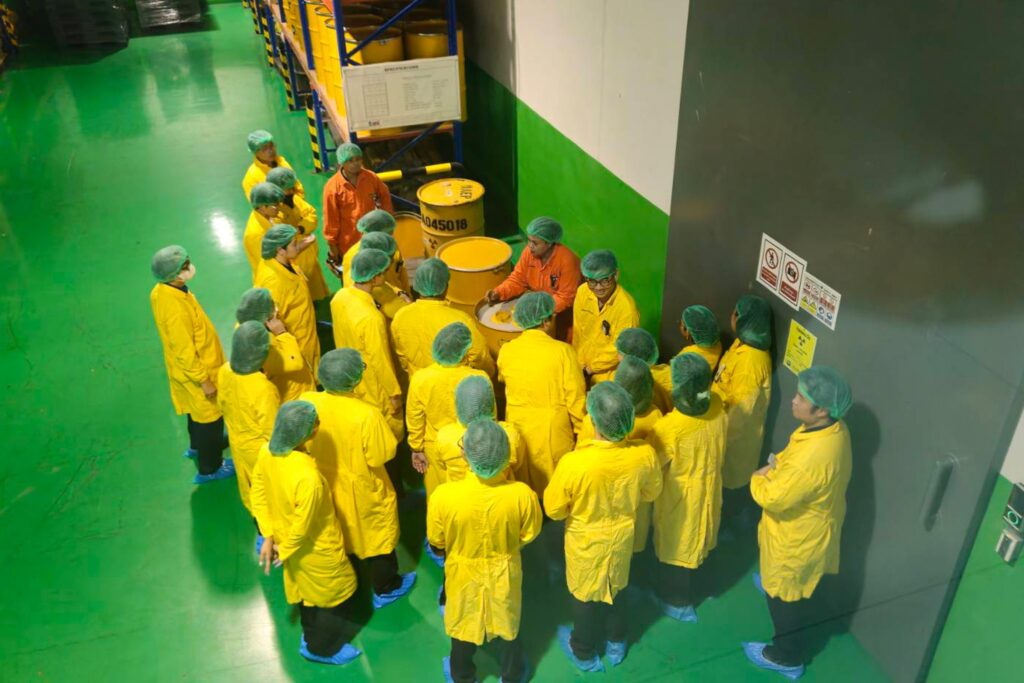
Radioactive Waste Storage Facility — where participants learned about the management of sealed radioactive waste, from collection and treatment to safe long-term storage for the protection of people and the environment.
This event reflects the strong collaboration between research institutions and regulatory bodies in preparing knowledge, technology capabilities, and safety measures to sustainably support the development of advanced energy technologies in Thailand’s future.