
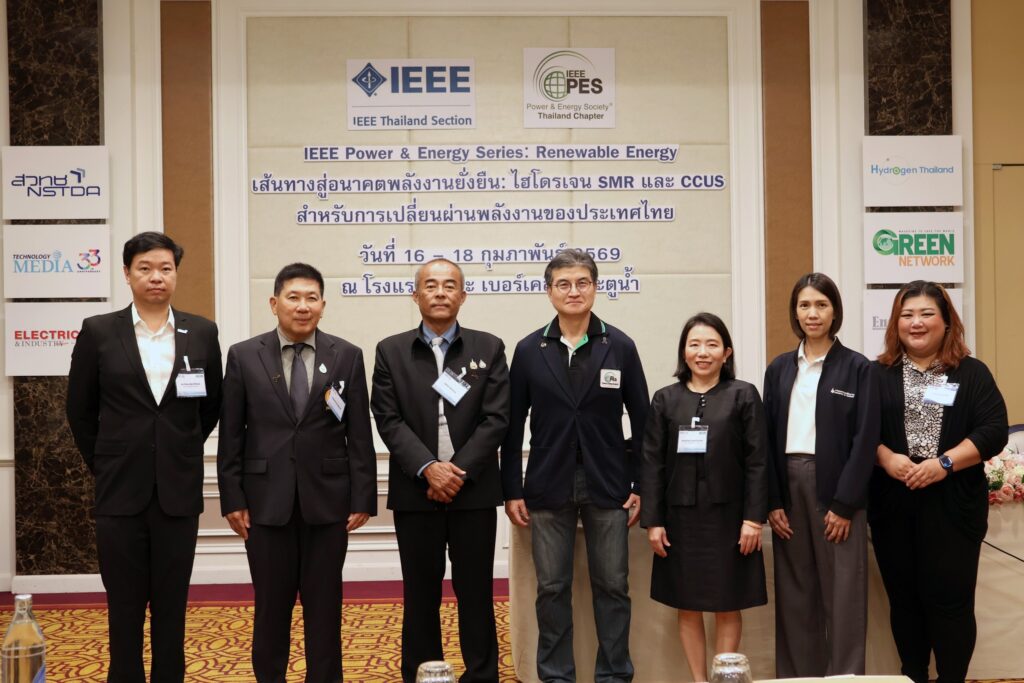
On February 16, 2026, at the Berkeley Hotel Pratunam, Bangkok
The National Science and Technology Development Agency (NSTDA), through its National Energy Technology Center (ENTEC), reaffirmed its leadership role in clean energy research and policy by co-hosting a seminar titled “Pathways for a Sustainable Future: Hydrogen, SMR, and CCUS for Thailand’s Energy Transition” in partnership with the IEEE Power & Energy Society (Thailand), IEEE Thailand Section, and allied networks including ERDI-CMU and Hydrogen Thailand. The event brought together expertise in Hydrogen technology, Small Modular Reactors (SMR), and Carbon Capture, Utilization, and Storage to advance Thailand’s transition toward a low-carbon energy system. The forum was opened and chaired by Dr. Sumittra Charojrochkul, Executive Director of ENTEC, NSTDA, who outlined key technological directions and strategic priorities.
The seminar focused on hydrogen’s role as a critical alternative energy source, alongside Small Modular Reactor (SMR) and Carbon Capture, Utilization and Storage (CCUS) technologies, all recognized as essential mechanisms for reducing greenhouse gas emissions, particularly in heavy industry and power generation.
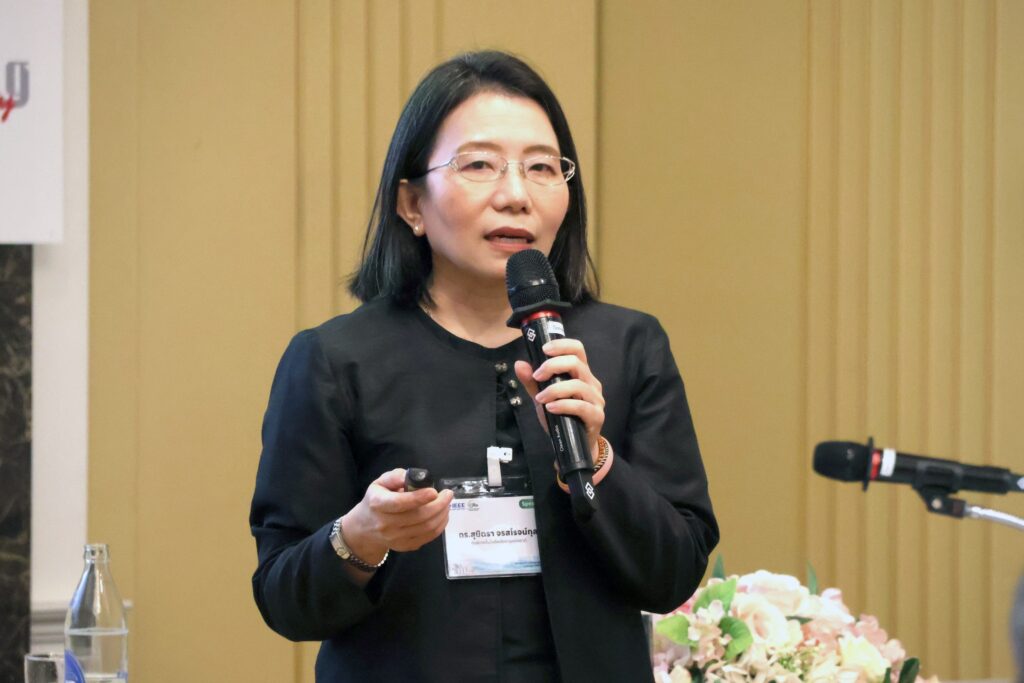
Dr. Sumittra, Executive Director of ENTEC, NSTDA, emphasized that hydrogen is not merely an alternative energy source, but a strategic mechanism that will help Thailand achieve its national climate change targets. Green hydrogen, in particular, is internationally recognized as the clean energy of the future, as it produces no greenhouse gas emissions and can be applied across heavy industry, transportation, and power generation.
In addition to hydrogen, CCUS technology and Small Modular Reactors (SMR) were highlighted as important tools for decarbonizing the energy and industrial sectors. Building accurate public understanding of these technologies is essential, as the issues extend beyond technical considerations to encompass policy, investment, and social acceptance. Exchanging knowledge, experience, best practices, and policy perspectives with domestic and international experts will help lay a systematic foundation for Thailand’s clean energy technology development, enabling a concrete energy transition while balancing economic growth and long-term environmental protection.
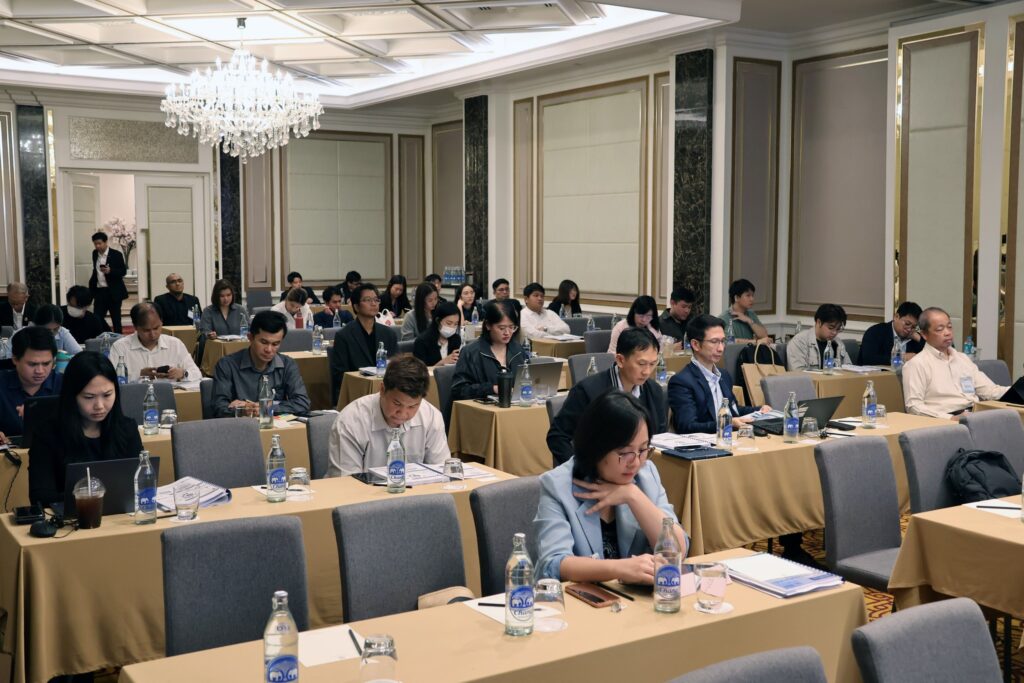
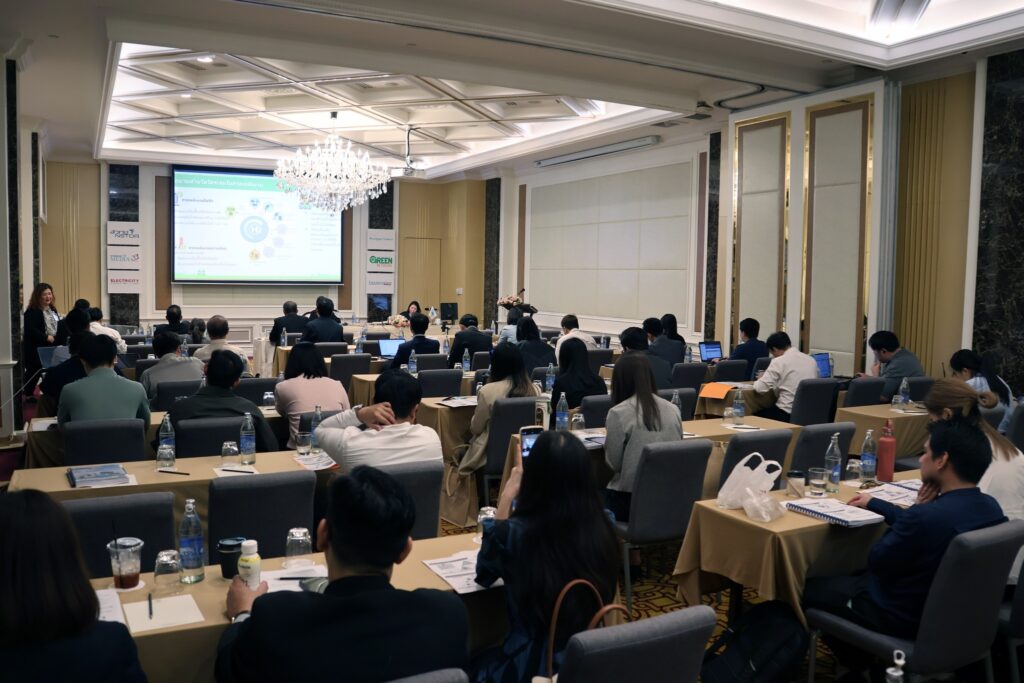
Dr. Sumittra concluded by stating that hydrogen is the key driver for Thailand to achieve its Carbon Neutrality by 2050 and Net Zero emission goals. She stressed the importance of developing both Green and Blue Hydrogen in parallel. While Green Hydrogen is the cleanest option, it remains cost challenging, Blue Hydrogen can serve as a competitive transitional alternative provided that carbon capture systems perform efficiently. Thailand also has strong potential to produce hydrogen from biomass and biogas, which would add value to domestic resources while reducing greenhouse gas emissions in a balanced and sustainable manner.
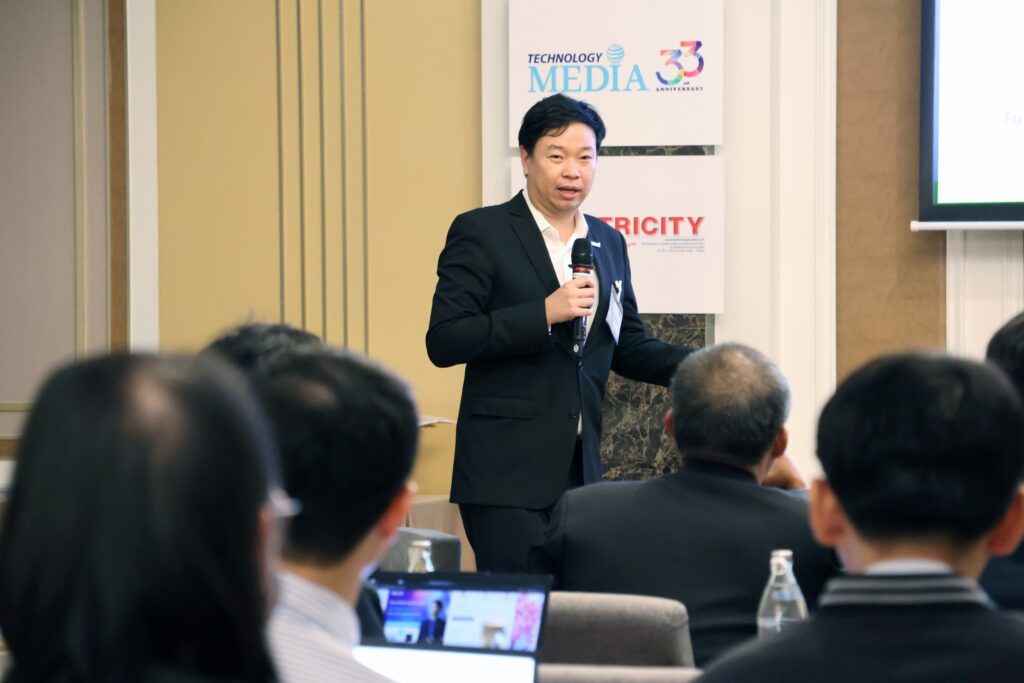
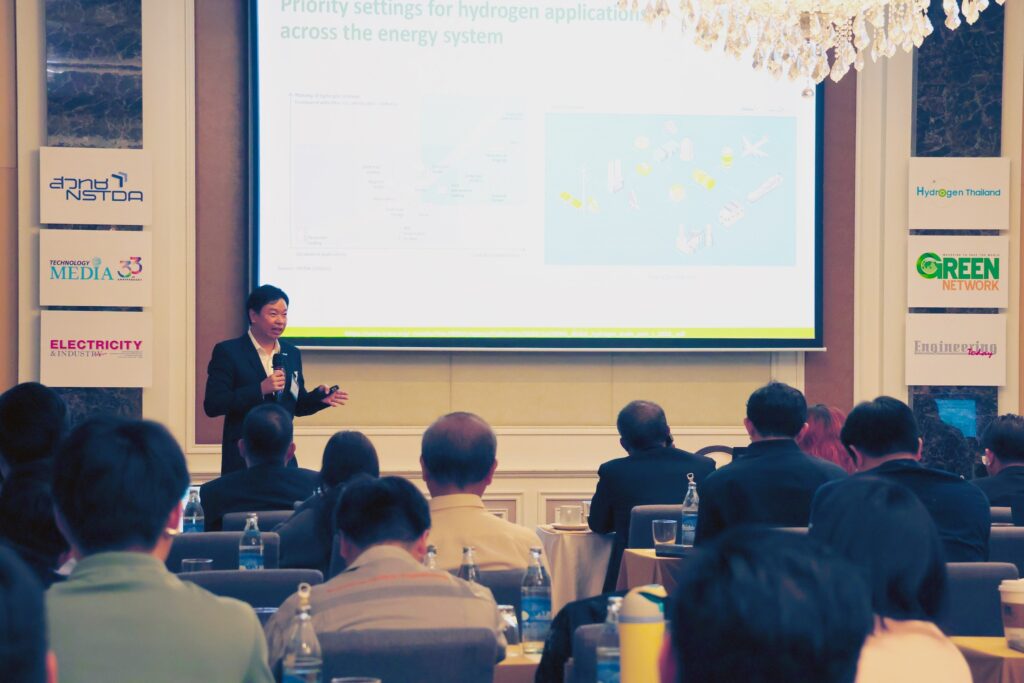
Dr. Visarn Lilavivat, Researcher at the Renewable Energy and Energy Efficiency Research Team, Low Carbon Energy Research Group, ENTEC, NSTDA, delivered a presentation on “Hydrogen for Industrial Decarbonization.” He highlighted that clean hydrogen is key to decarbonizing industrial processes, particularly those requiring temperatures above 1,000°C, where electrification still faces technical and cost limitations. Hydrogen can supply heat exceeding 2,000°C with zero carbon dioxide emissions at the point of use, making it highly suitable for steel, glass, and cement industries.
In oil refining and petrochemicals, where hydrogen is already in use, transitioning from grey to low-carbon hydrogen represents a practical and accessible starting point. The steel industry, for instance, could reduce carbon emissions by approximately 90% using H₂-DRI-EAF (Hydrogen-based direct reduced iron (DRI) production, followed by electric arc furnace (EAF) melting) technology. However, Geen Hydrogen costs currently stand at around USD 4.5–6 per kilogram, with electricity accounting for the largest share of production cost. It is therefore essential to accelerate the development of low-cost renewable electricity to enhance competitiveness.
Thailand should clearly define its strategic direction, whether it intends to become a hydrogen producer or importer, while aligning its standards with global markets. Clean hydrogen is not simply an option but a necessity if Thailand is to achieve carbon neutrality, and its hydrogen strategy must be translated into concrete action without delay Dr. Visarn concluded.
